
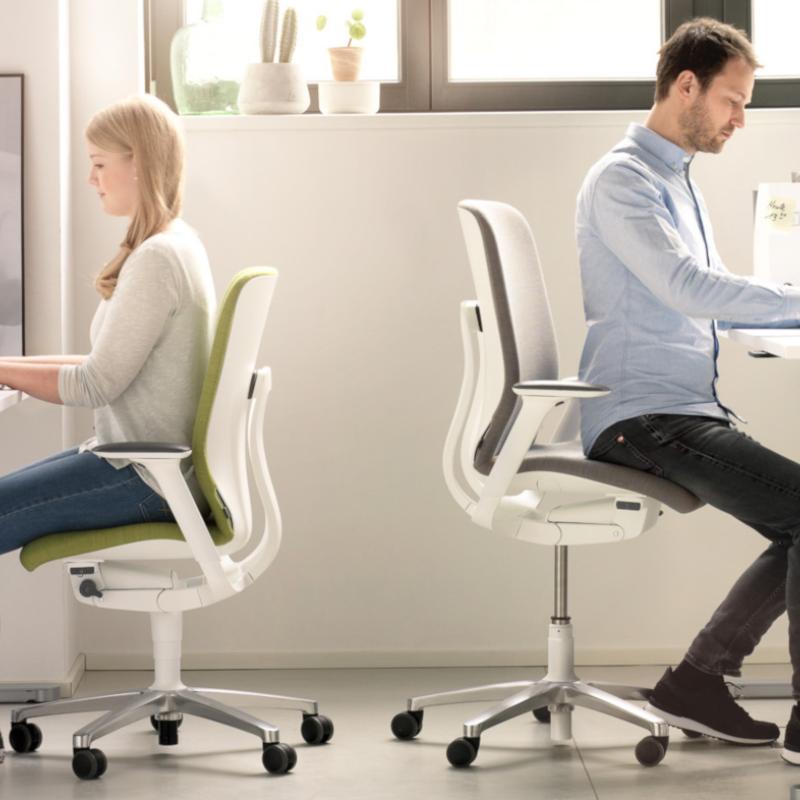
The importance of ergonomics at work: Reducing absences and costs in Belgium
Ergonomics in the workplace is a crucial component in ensuring the well-being of employees and the productivity of companies. In Belgium, statistics show alarming figures for absences and costs linked to poor ergonomic conditions. By integrating optimal ergonomic practices, companies can not only improve the health of their employees but also significantly reduce absences and the associated costs. Here is a detailed overview of the importance of ergonomics and its economic impact in Belgium.
Understanding ergonomics at work
Ergonomics aims to adapt work to people, taking into account their physical and mental capacities and limitations. This includes the design of workstations, the organisation of tasks, the use of appropriate tools and the promotion of good posture. A well-designed ergonomic approach minimises the risk of musculoskeletal disorders (MSDs), fatigue and stress, which are frequent causes of absence from work.
Absence statistics in Belgium
In Belgium, sickness absence is a major concern for companies. According to recent data from the National Institute for Sickness and Invalidity Insurance (INAMI), the rate of absenteeism due to sickness reached 6.3% in 2023. This figure represents an increase on previous years, signalling a worrying trend. A significant proportion of these absences are linked to health problems caused by poor ergonomic conditions.
Economic costs of poor ergonomic conditions
The costs associated with sickness absence in Belgium are considerable. A study carried out by Securex, an HR services company, has estimated that the annual cost of sickness absence to Belgian businesses exceeds €10 billion. MSDs, often due to a lack of ergonomics in the workplace, account for a significant proportion of this cost. Companies also have to contend with indirect costs, such as reduced productivity, temporary replacement of absent employees, and the impact on team morale.
The benefits of ergonomics
Investing in ergonomics offers many advantages for businesses. Here are some of the key benefits:
- Reducing MSDs: Improving workstations and adopting good ergonomic practices can reduce the incidence of musculoskeletal disorders, thereby reducing sickness absence.
- Increased productivity: Optimal working conditions enable employees to work more efficiently and comfortably, which in turn increases productivity.
- Improved employee well-being: An ergonomic work environment contributes to employee satisfaction and well-being, reducing stress and staff turnover.
- Cost savings: By reducing the number of absences and the associated costs, companies can make substantial savings.
Case studies and examples from Belgium
Some Belgian companies have already successfully integrated ergonomic solutions. For example, a major telecommunications company invested in height-adjustable desks and ergonomic chairs, which led to a 20% drop in absences due to MSDs in two years. Similarly, a manufacturing company introduced training programmes on good lifting and ergonomic practices, reducing injuries by 15%.
Our Scandinavian neighbours, an example
The Scandinavian countries, pioneers in the field of ergonomics, have observed that well-designed work environments increase productivity and reduce sick leave. Their studies reveal a 25% reduction in musculoskeletal disorders thanks to the adoption of ergonomic workstations and preventive practices. These countries conclude that investment in ergonomics is not only beneficial to employee health, but also makes good business sense.
They have introduced strict standards to ensure that companies comply with ergonomic criteria. In Sweden, for example, the Swedish Work Environment Authority (Arbetsmiljöverket) imposes detailed regulations on ergonomics, covering everything from workstations to the equipment used. Norway and Denmark also have similar regulations, requiring companies to continually assess and adapt their working environments to minimise ergonomic risks, thereby ensuring the health and well-being of employees.
Conclusion
Ergonomics in the workplace is essential to ensure the health and productivity of employees. In Belgium, statistics clearly show that sickness absence and the associated costs are strongly influenced by ergonomic conditions. Investing in ergonomics is not just a matter of regulatory compliance, but also an effective strategy for improving overall business performance. Companies that take a proactive approach to ergonomics will reap the benefits of a healthier, more productive and more satisfied workforce.