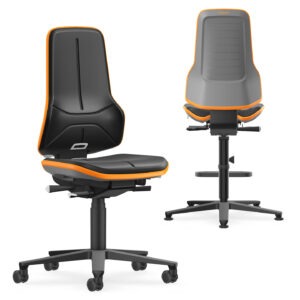
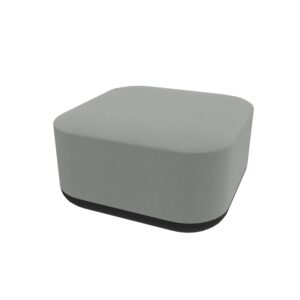
Office stools: a dynamic alternative to the classic chair

Sitting for several hours in the same position is far from ideal and can have harmful consequences for your body. Office stools offer more dynamic seating that encourages changes of posture and naturally follows the body’s movements. They are an interesting alternative for certain workstations, in particular electric height-adjustable desks, collaborative spaces or professional environments where mobility is important.

Office stools meet different needs from a traditional office chair. More mobile, often more compact and designed to encourage an active posture, they find their place in many professional spaces. Before choosing a model, however, it is important to consider several criteria, such as height, stability, adjustments or the type of use intended. On this page, Wooh helps you identify the stool best suited to your workspace and your habits.

Why choose an office stool?

The office stool takes a different approach from traditional seating. Unlike a classic office chair, it encourages a more active posture and the body’s micro-movements throughout the day. This greater freedom of movement makes it easier to alternate positions and limit long periods spent in a completely static posture.

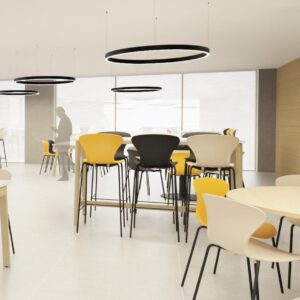
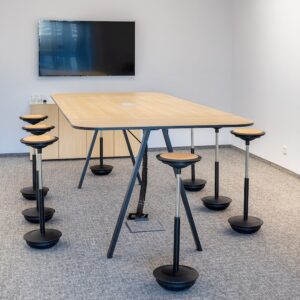
Office stools naturally find their place in environments where mobility is important: electric sit-stand desks, collaborative spaces, reception stations or light workshops. Their more compact design makes it easier to move around and offers more flexibility in organising the workstation.

Depending on the model, an office stool can also include ergonomic elements such as height adjustment, a tilting seat or a footrest. These features make it possible to adapt the seat to different users and work configurations while keeping the benefits of dynamic seating.

The criteria to choose an office stool well

Not all office stools are suited to the same uses. Depending on your workstation, the length of use and your habits, certain features will be more important than others. Before opting for a sit-stand stool or a high chair, it is therefore essential to assess the elements that directly influence comfort, stability and freedom of movement.

Height

Seat height is the first criterion to consider. It must be suited to your work surface to guarantee a comfortable posture. For sit-stand desks or raised work surfaces, favour a stool offering a wide adjustment range to easily accompany the different working positions.

Ergonomics

An ergonomic office stool encourages a more active posture, since it has no backrest, without neglecting comfort. Some models offer a tilting or slightly mobile seat that naturally follows the body’s movements and encourages changes of position throughout the day.

The type of seat

Models with a round seat offer a simple, versatile solution suited to many work environments. Others, such as saddle stools, encourage a natural opening of the hips and a more dynamic posture. The choice mainly depends on your use, the level of comfort sought and the time spent on the stool each day.

Castors or glides

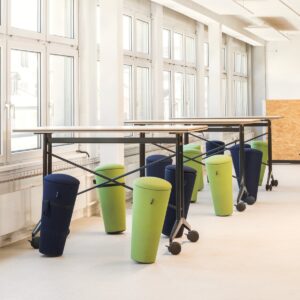
The choice mainly depends on your work environment. Castors make it easier to move around the workstation, while glides offer better stability. Some stools are also equipped with bases that encourage a slight rocking movement to promote more dynamic seating.

The footrest

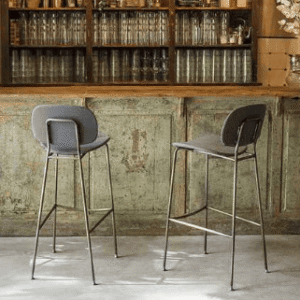
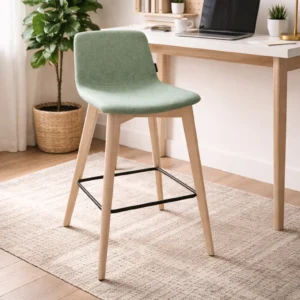
On the highest models, a footrest provides additional support when the feet no longer rest naturally on the floor. It improves comfort, limits leg fatigue and helps maintain a more stable posture during prolonged use.

Materials

The upholstery affects the comfort, durability and maintenance of the stool. Fabric seats bring a warmer feel, while polyurethane or certain synthetic materials are particularly suited to environments requiring frequent cleaning.

By taking these different criteria into account, you can select an office stool truly suited to the way you work. Beyond design, it is above all the adjustments, the stability and the quality of the seat that will make the difference day to day.

The uses concerned

Which office stool to choose according to your use?

The choice of an office stool depends above all on how you work day to day. Standing work, a collaborative environment or a station requiring frequent movement: each situation has specific needs. Identifying your use will allow you to choose a model truly suited to your activity.

For a sit-stand desk

The stool is particularly suited to height-adjustable desks. It makes it easy to alternate between sitting and standing positions without breaking the flow of work. Favour a model offering a wide adjustment range and a comfortable seat to accompany these changes of posture throughout the day.

For occasional use

The office stool is an excellent solution when used to complementa classic office chair. This type of seat makes it possible to vary positions throughout the day and adopt a more active posture during certain tasks, without completely replacing traditional seating.

For a station requiring a lot of mobility

In some trades or workspaces, movements around the station are frequent. A stool equipped with castors or a base that encourages movement makes it possible to work more fluidly while remaining seated. This solution is particularly appreciated in collaborative spaces, light workshops or certain reception stations.

For collaborative and creative spaces

Creative rooms, coworking spaces or collaboration areas often favour furniture that encourages exchange and mobility. Thanks to their compact size and easy mobility, office stools fit perfectly into these environments where flexibility is essential.

The best office stool is the one that naturally adapts to the way you work. By taking into account your environment, your habits and the time spent sitting, you can choose a model that encourages a more active posture without compromising your comfort.

Recognised brands

Our selection of office stools

At Wooh, we select office stools that combine ergonomics, comfort and durability to meet the needs of modern professional environments. Our range brings together models designed to encourage a more active posture, support flexible workspaces and blend harmoniously into different types of layouts.

In particular, we work with recognised European manufacturers such as Narbutas, Sitis, Infiniti et Wilkhahn. Each of these brands brings its expertise in professional furniture, whether in design, ergonomics, build quality or solutions suited to new ways of working.
Discover our selection of office stools below and find the model that best matches your work environment and your usage habits.

Frequently Asked Questions – Office stools


What is the difference between an office stool and an office chair?

An office stool encourages a more active posture and offers greater freedom of movement than a conventional office chair. It is particularly well suited to roles requiring mobility or the use of a sit-stand desk, whereas a traditional chair is designed more for prolonged sitting.

Is an office stool ergonomic?

Yes, provided you choose a suitable model. Many office stools feature height adjustment, a dynamic seat or a footrest to encourage better posture and promote changes in position throughout the day.

Is it possible to work all day on an office stool?

It all depends on the model and how you work. An office stool is particularly suitable for people who regularly change position or use a height-adjustable desk. If you spend the whole day sitting down, an ergonomic office chair is generally a better choice.

Should you choose a stool with or without castors?

The choice depends mainly on your working environment. Castors make it easier to move around your workstation, whilst glides offer greater stability. Some models also allow for slight movement of the seat to encourage a more dynamic posture.

Is an office stool suitable for a sit-stand desk?

Yes, it’s actually one of the most common uses. Thanks to its height adjustment, the stool makes it easy to switch between sitting and standing, whilst maintaining an active posture and a good level of comfort.

Are an office stool and an office high chair the same thing?

The two terms are sometimes used to refer to similar types of seating. However, an office stool is generally designed to promote a dynamic posture and accommodate the user’s movements, whilst the term ‘high office chair’ refers more broadly to seating suitable for raised work surfaces or desks.
Shopping Cart
Scroll to Top