The choice of waiting-room chairs depends as much on the level of comfort you are looking for as on the type of environment to be furnished. Reception area, practice, open space or lounge area: each configuration imposes different constraints from those of a classic workstation in terms of durability, maintenance and aesthetics. On this page, Wooh helps you identify the key elements for selecting seating suited to your professional space and to the experience you want to offer your visitors. You can also browse directly our selection of chairs to furnish your waiting room.
How do you recognise a good waiting-room chair?
A chair intended for a waiting room stands out above all by its ability to welcome different visitors in good comfort conditions while withstanding repeated use. Unlike a classic ergonomic office chair, it is designed for short or occasional use, with particular attention to sturdiness, maintenance and aesthetics.
Waiting-room chairs generally favour durable, easy-to-clean materials, along with a design that blends harmoniously into a professional reception area. Some configurations also encourage modularity or space optimisation, particularly in high-traffic zones.
Beyond the purely functional aspect, a good waiting-room chair contributes directly to the experience of visitors. It helps create a reassuring, welcoming environment that is consistent with the image of your company or establishment.
Why the choice of reception seating matters?
Waiting-room chairs play a far more important role than it seems in the layout of the reception furniture of a professional space. They directly influence the comfort of visitors, but also the overall perception of your company from the very first minutes spent in your premises.
A well-designed reception area helps create a more reassuring, more pleasant and more professional atmosphere. Conversely, uncomfortable, worn or poorly suited seating can quickly give a negative impression, even before the first exchange with a staff member.
The choice of chairs must also take into account how busy the space is, the average waiting time and maintenance constraints. Sturdy models that are easy to clean and suited to your environment and existing furniture ensure long-lasting use while preserving the aesthetics of your reception areas.
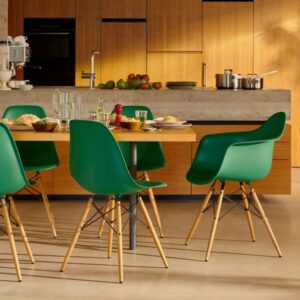
Vitra.
Vitra offers seating with a timeless design, created to build elegant and warm reception areas. The brand stands out with refined lines, quality materials and an approach centred on the user experience. Vitra models naturally find their place in professional environments where aesthetics play an important role.
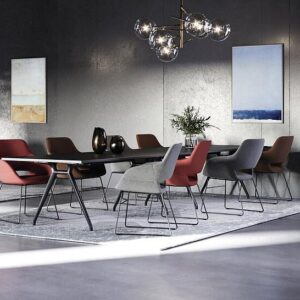
Sitis
Sitis develops professional seating solutions focused on comfort and ease of use. Its waiting-room chairs favour welcoming shapes and configurations suited to spaces that regularly receive the public. The brand aims for a balance between functionality, ergonomics and visual sobriety.
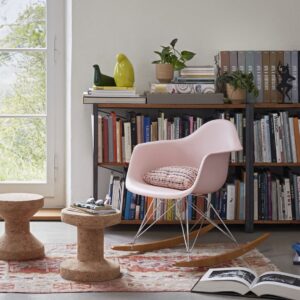
Infiniti
Infiniti stands out with a more contemporary and creative approach to professional furniture. Its waiting-room chairs bring a strong visual identity thanks to modern shapes, varied colours and refined materials. They are particularly suited to spaces that want to assert a more dynamic and current atmosphere.
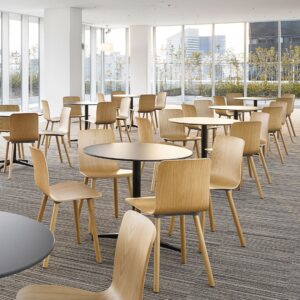
Wilkhahn
Wilkhahn designs professional seating recognised for its build quality and comfort of use. The brand pays particular attention to the fluidity of shapes and to the integration of furniture into welcoming and durable spaces. Its models are a perfect fit for professional environments seeking a sober, quality image.
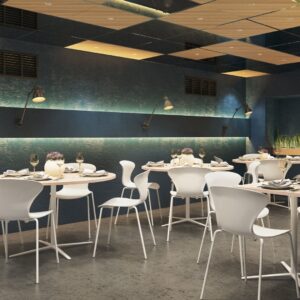
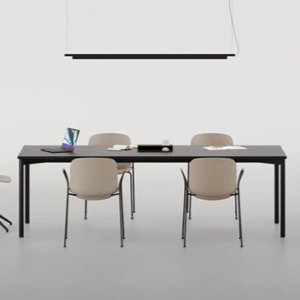
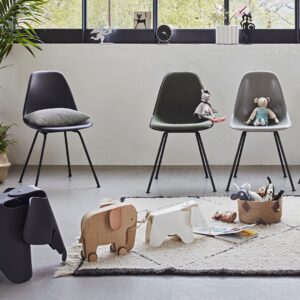
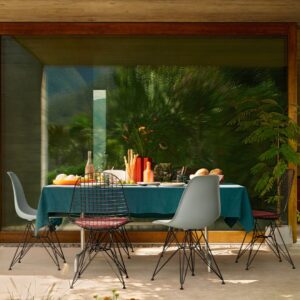
Our selection of waiting-room chairs
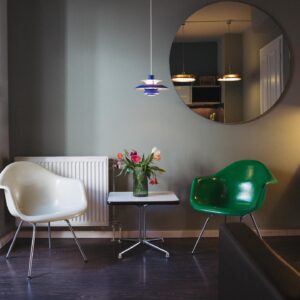
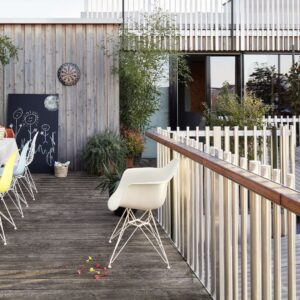
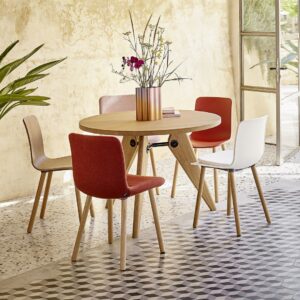
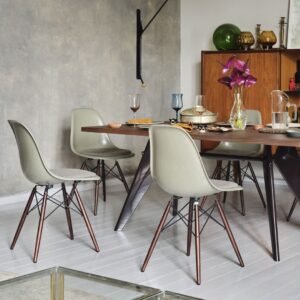
Frequently asked questions about waiting-room chairs
What is the difference between a waiting-room chair and a meeting chair?
A waiting-room chair is mainly designed to welcome visitors in a reception or waiting area, with particular attention to comfort, aesthetics and durability. A meeting chair is designed more to support professional exchanges around a table and to meet more collaborative uses.
Which material should you choose for a waiting-room chair?
The choice depends mainly on the level of traffic and the environment. Plastic or metal materials are easy to maintain and very durable, while fabric seating offers a warmer, more comfortable feel for visitors.
Do waiting-room chairs need to be comfortable?
Yes, even for a short wait, comfort remains important. Comfortable seating helps improve the experience of visitors and create a more positive perception of your company or establishment.
Can you use stackable chairs in a waiting room?
Yes, stackable models are particularly suited to modular spaces or to environments requiring a certain flexibility. They make it easy to rearrange the space or free up room when needed.
How do you choose consistent chairs for a professional waiting area?
The choice of chairs must take into account the style of your premises, the materials already present and the image you want to convey. Seating that is well integrated into the environment helps reinforce the visual consistency and professional character of your reception area. If in doubt, it can be useful to get support from a professional company in order to select seating consistent with the overall layout of your space.
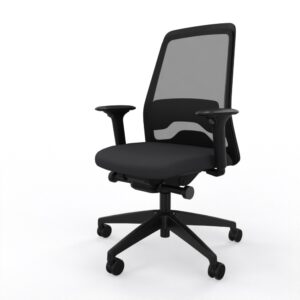
Ergonomic chairs
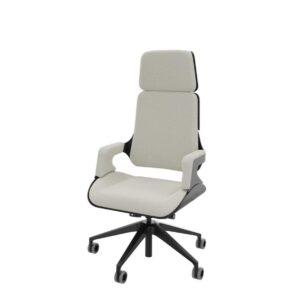
Executive chairs
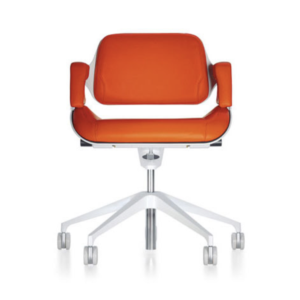
Meeting chairs
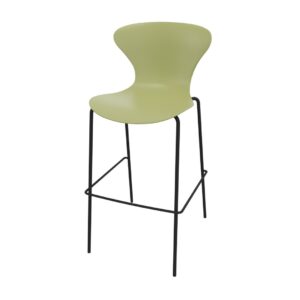
Stools and high chairs
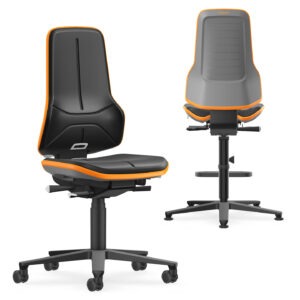
Laboratory chairs
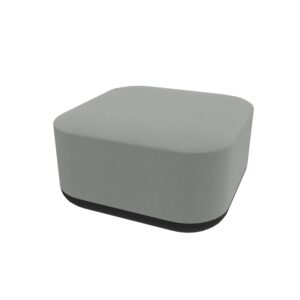
Office ottomans
Back to the complete guide: Professional office chairs