Office chair with wheels: how to choose the right model?
An office chair with wheels lets you move easily around your workstation without having to stand up or lift your chair every time. Practical day to day, it gives you easy access to the different equipment in the office and more freedom of movement. But not all chairs with wheels are equal: ergonomics, stability, caster quality and compatibility with the floor covering are all criteria to consider when choosing a model suited to how you use it.
Casters are now fitted to many professional office chairs, whether ergonomic chairs, executive chairs or technical seating. Combined with a stable base and a swivel seat, they are an important part of the chair’s design and of how well it suits professional activities.
Choosing a chair with wheels should not, however, come down to mobility alone. The type of floor, how often you move around, the strength of the base and the chair’s adjustment options also shape everyday use. A chair for an individual desk does not necessarily have the same requirements as an executive chair or a chair used in a laboratory.
At Wooh, we offer several categories of office chairs with wheels, from professional ergonomic chairs to executive models and technical seating. In this guide, we explain their advantages, the features to compare and the criteria to prioritise to find a chair suited to your working environment.
Why choose an office chair with wheels?
An office chair with wheels above all gives you more freedom of movement at your workstation. Unlike a fixed chair, it lets you roll over to a storage unit, reach documents or move from one piece of equipment to another without lifting the chair. Combined with a swivel seat, it also makes changing direction easy and movement around the desk more natural. This mobility is especially useful in professional environments where several pieces of equipment or work surfaces are used during the day.
A chair with wheels is also practical when it comes to fitting out workspaces. It can be moved easily to clean the floor, reorganise a workstation or change the furniture layout. This flexibility is useful in individual offices as well as in shared spaces, where needs can change.
Finally, wheels are not incompatible with stability. A professional chair with a suitable base and quality casters can offer good balance while remaining mobile. What matters is choosing a model designed for the intended use and suited to the floor covering.
Mobility is therefore a real asset day to day, provided it comes with a comfortable seat, good stability and adjustments suited to the user.
How to choose a good office chair with wheels
Not all office chairs with wheels have the same features. Mobility is their common advantage, but caster quality, the type of base and the adjustment options directly affect how comfortable they are to use. Several points are therefore worth checking before choosing a model for a professional workstation.
01
Suitable casters
The floor covering directly determines the choice of casters. Whether a chair is used on parquet, tiles or carpet, the features to prioritise are not the same. Suitable casters make moving around easier while limiting the risk of marks and wear on the floor.
The different types of casters and which floors they suit are covered later in this guide.
02
A stable, sturdy base
The base plays an essential role in the stability of an office chair with wheels. Professional models generally have a five-star base, which spreads the support points and keeps the chair well balanced as you move.
The materials used, such as reinforced plastic or aluminium, also affect the chair’s strength and durability. For daily or intensive use, it is important to choose a robust base suited to the user’s weight and how often they move around.
03
A swivel seat for easier movement
Most office chairs with wheels have a seat that swivels through 360°. This feature complements the mobility of the casters by letting you change direction easily without moving the whole chair.
It is especially useful when several pieces of equipment are arranged around the workstation: screens, storage, documents or additional work surfaces. The user can then reach their immediate surroundings more easily.
04
Adjustments suited to the user
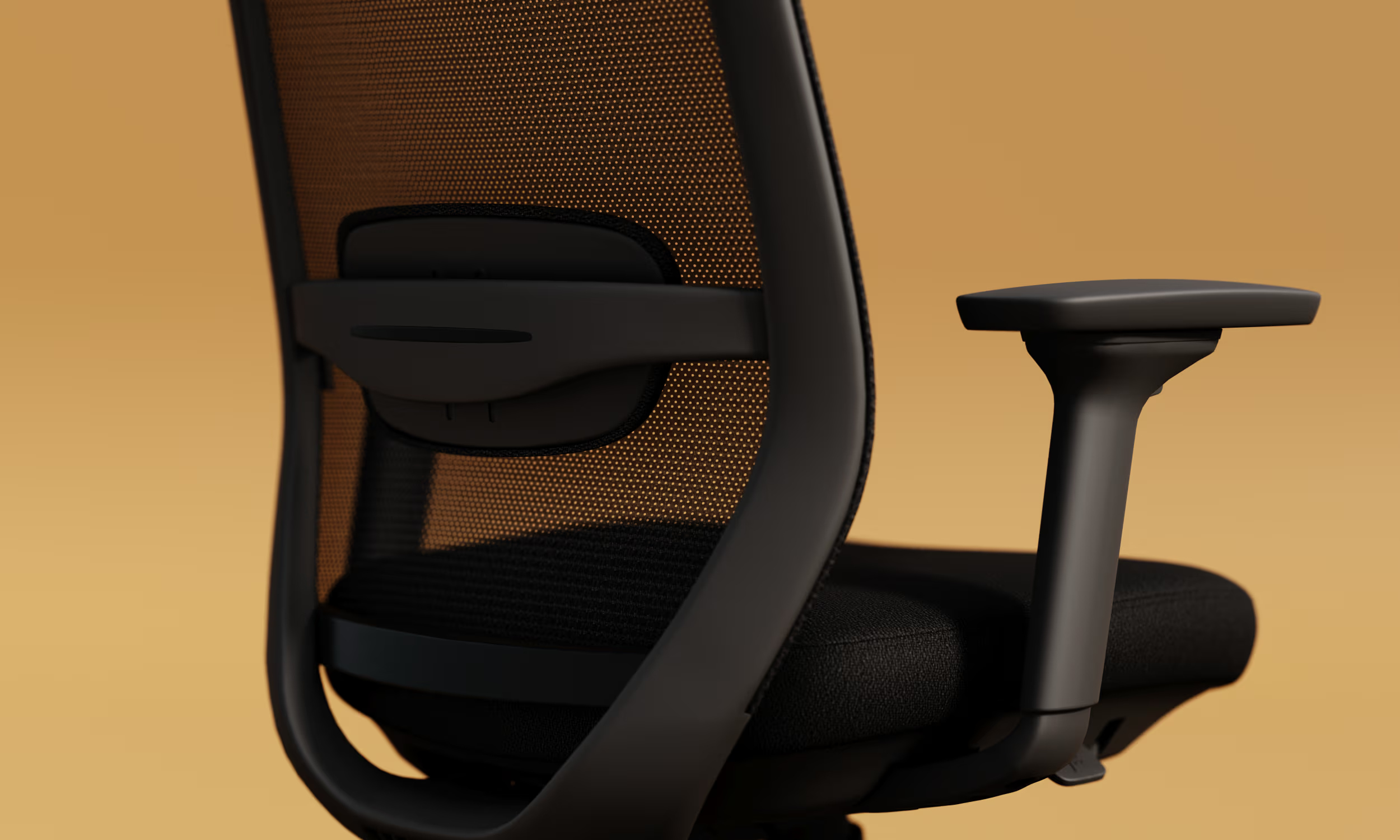
The casters should not make you forget the chair’s other features. For regular use, it is better to choose a chair with several adjustment options: seat height, backrest tilt, lumbar support or adjustable armrests. Some models also have an adjustable headrest for extra support depending on your posture.
These features let you adapt the chair to the user’s build and to the desk setup. Professional ergonomic chairs generally combine these adjustments with a mobile base, bringing together comfort, support and freedom of movement.
05
Quality casters for lasting use
The strength of the casters also deserves particular attention, especially when the chair is used for several hours a day. Quality casters should allow smooth movement, without frequent jamming or excessive noise.
Their diameter, materials and fixing system can affect how they behave. It is also worth checking whether they can be replaced when worn, particularly in companies where chairs are in daily use.
A good office chair with wheels must therefore strike the right balance between mobility, stability and ergonomics. The choice of model depends as much on the chair’s features as on the floor it will be used on and the user’s working habits.
Price is also a factor, but it should be weighed against the quality of the materials, the adjustment options and how often the chair will be used. For a chair in daily use, it can pay to choose a durable model rather than focusing on the purchase price alone.
Which office chair with wheels for which use?
Not all chairs with wheels are designed for the same professional environments. A chair used daily in front of a computer does not necessarily meet the same needs as an executive chair or a technical chair. The choice depends mainly on the type of activity, how long the chair is used and the movement around the workstation.
01
For an individual workstation: the ergonomic chair
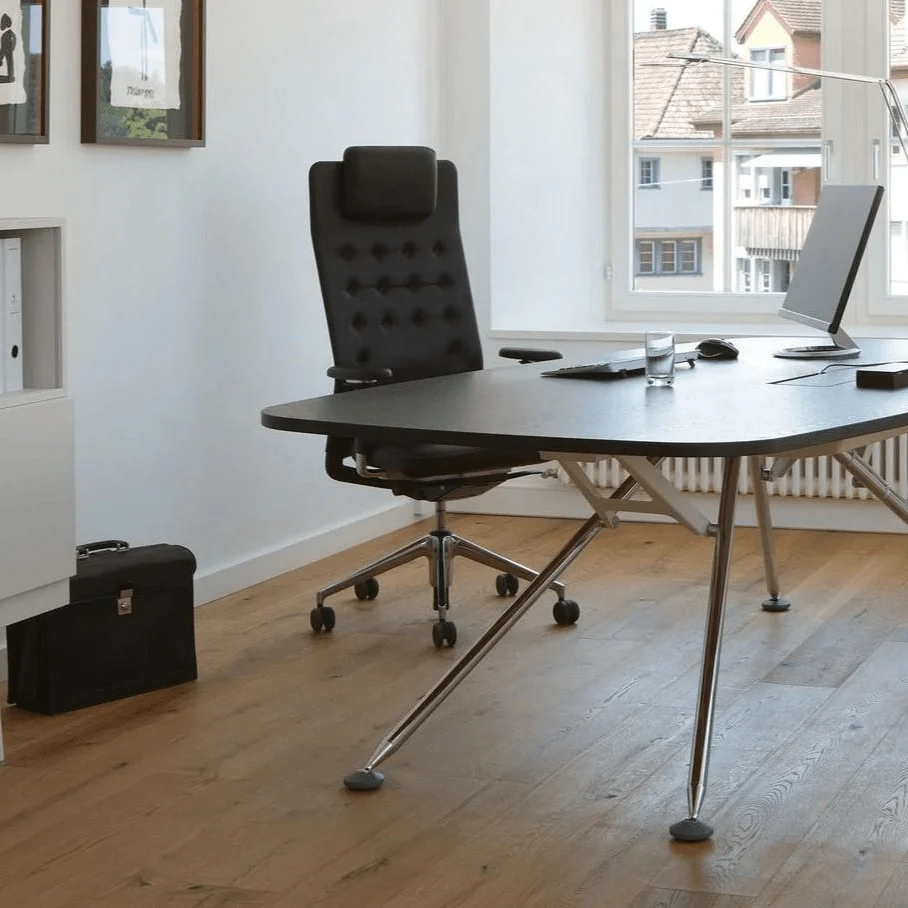
In an individual office, wheels make it easier to move around the desk and reach nearby equipment. For several hours of use a day, it is particularly worthwhile pairing them with an ergonomic chair that offers a range of adjustments.
Seat height, lumbar support, backrest tilt or armrest position: these features let you adapt the chair to the user. The casters complete the setup with the mobility needed for everyday work.
Professional ergonomic chairs are therefore a suitable solution for employees who work at a desk on a regular basis.
02
For an executive office: the executive chair with wheels
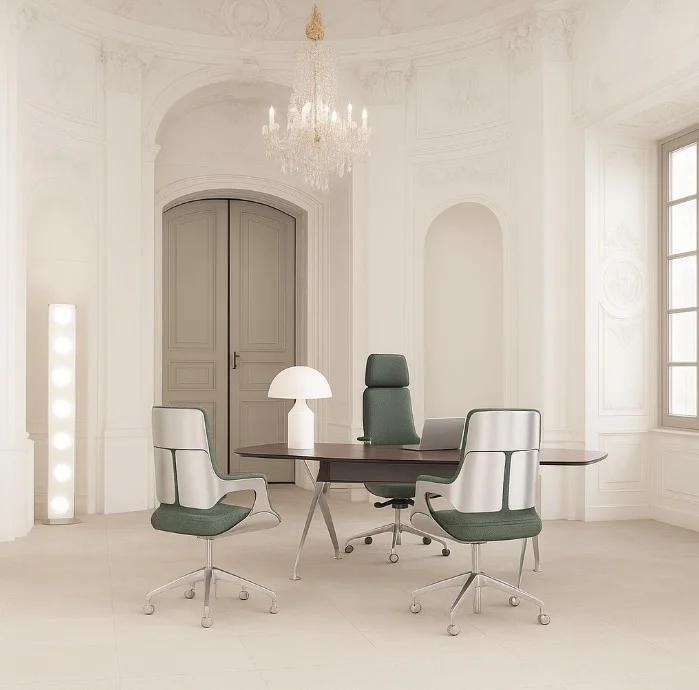
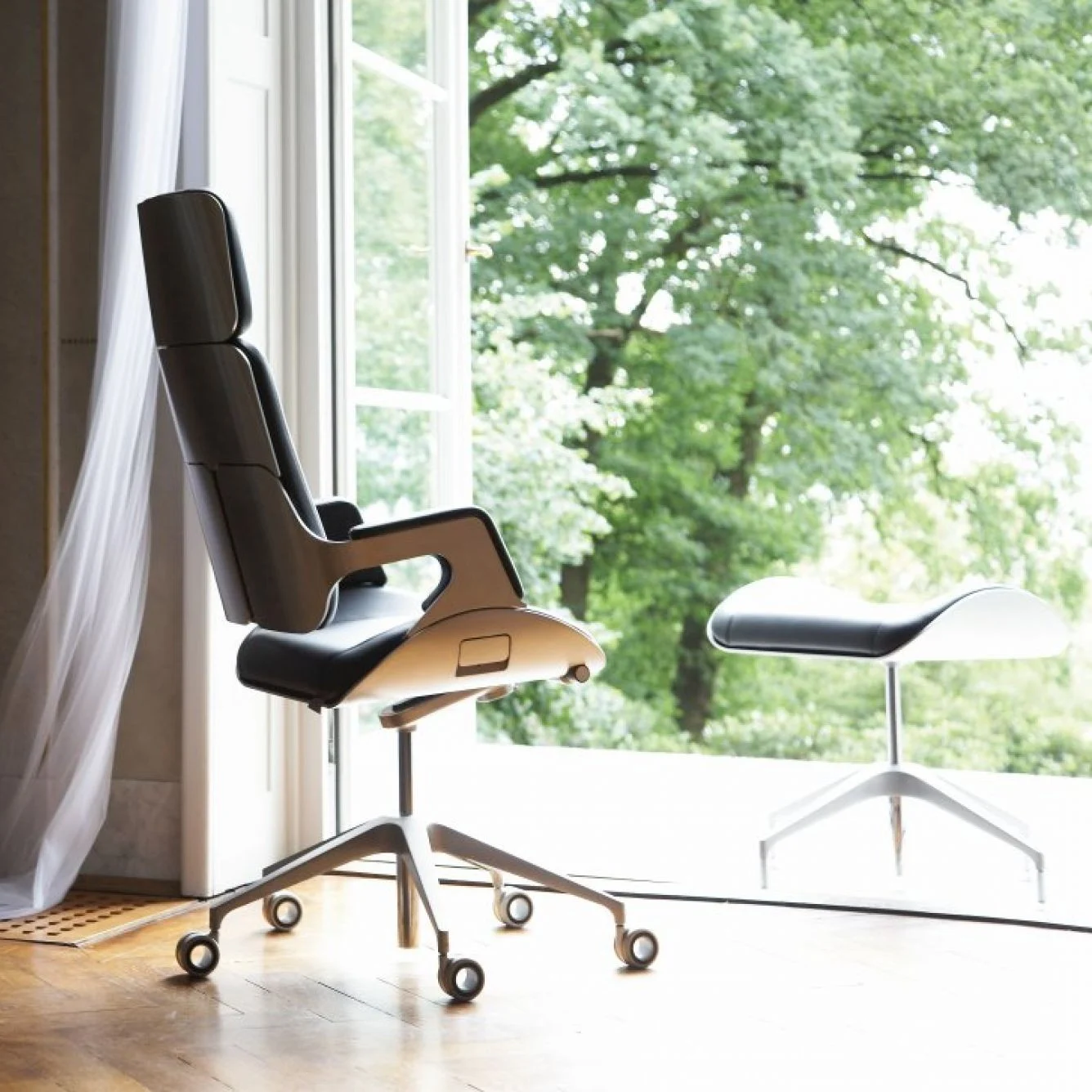
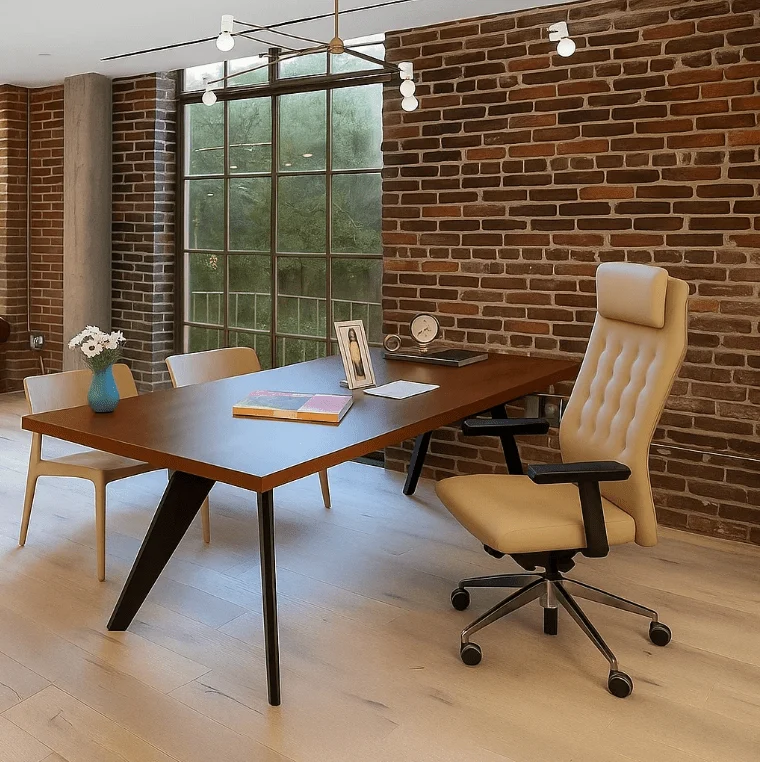
Executive chairs generally combine a generous seat, a high backrest and a refined finish. Depending on the model, fabric or leather upholstery also lets you choose a style that suits the office design. Fitted with casters and a swivel mechanism, they keep a degree of freedom of movement despite their sometimes larger size.
When choosing an executive chair, consider its comfort, its adjustment options and the space it takes up. The quality of the base and casters also matters for smooth movement and good stability.
At Wooh, our range of executive chairs includes several models that combine function, comfort and style in executive spaces.
03
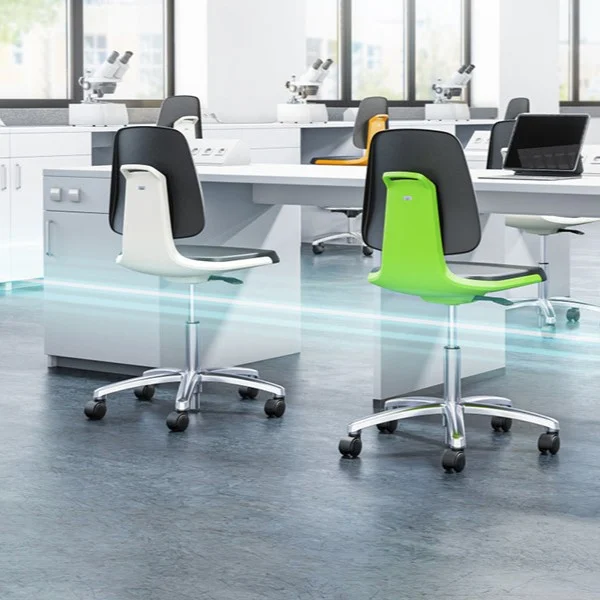
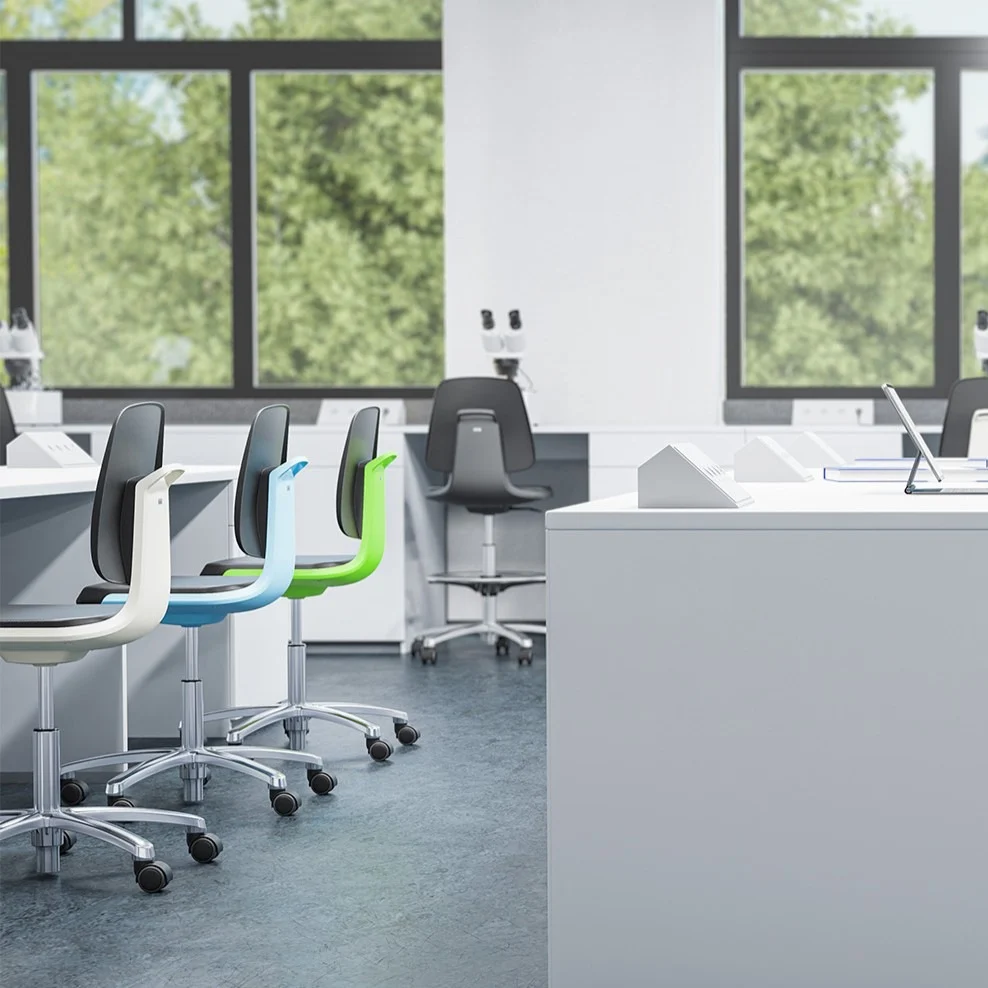
For a laboratory or technical environment: the specialist chair
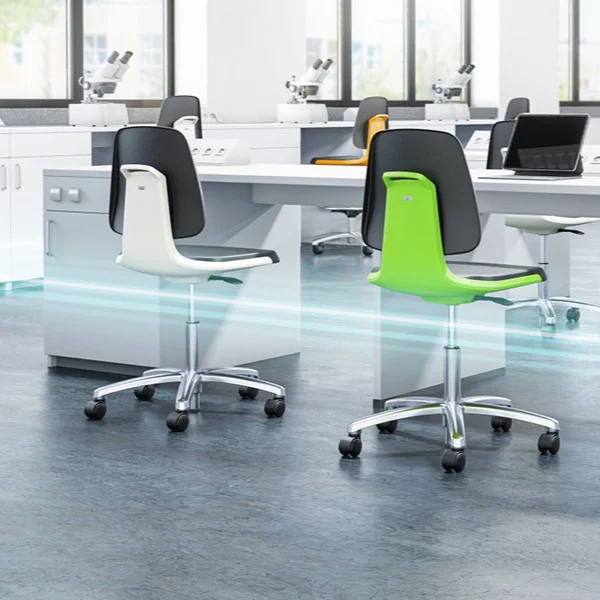
In a laboratory, workshop or technical environment, the requirements can differ from those of a standard office. Users may move from one piece of equipment to another, work at benches of different heights or move frequently around their workstation.
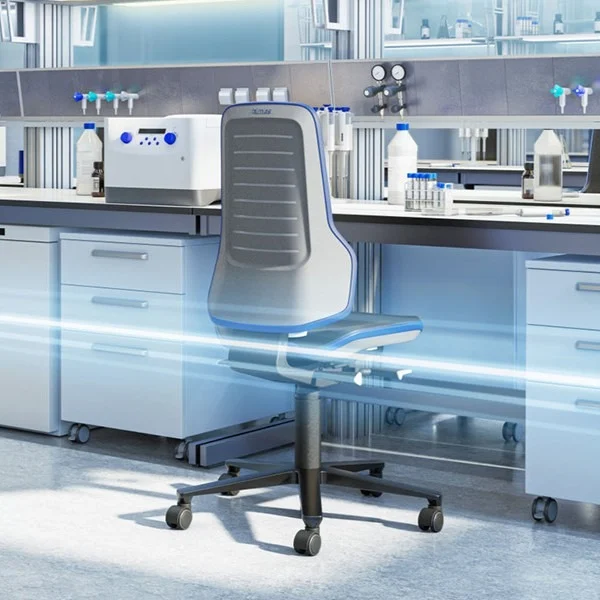
Chairs with wheels for these environments are designed to meet specific constraints. Depending on the model, they may offer easy-to-clean upholstery, adjustments suited to technical work surfaces or particular strength characteristics.
Laboratory and technical chairs let you select seating based on the actual conditions of use.
04
For a shared workspace: the versatile chair
In an open-plan office or flex office environment, several employees may use the same workstation one after another. It is then better to choose chairs with wheels that are easy to adjust, robust and suited to different body types.
The casters make moving around the desk easier, while intuitive adjustments let each user quickly set their own position. The chair’s footprint also deserves attention when several workstations are installed close together.
To find out more, read our guide to choosing chairs for an open-plan office.
A chair with wheels should therefore be chosen according to its working environment, not just its ability to move. Ergonomic chairs, executive chairs and technical models meet different needs, even though they share the same principle of mobility.
Which casters to choose for your type of floor?
The choice of casters for an office chair depends in particular on the floor covering it will be used on. Parquet, tiles, carpet and vinyl do not have the same characteristics and may call for different casters. Suitable casters make moving easier, limit noise and reduce the risk of damaging the floor.
Soft casters for hard floors
On parquet, tiles, vinyl or laminate, soft casters are generally recommended. Their contact surface, often made of a more flexible material, limits noise and the risk of marks as you move.
They are particularly suited to offices where users regularly move their chair around the workstation. On delicate floors, it is still important to check that they match the floor manufacturer’s recommendations.
Hard casters for carpet
On carpet and textile floor coverings, hard casters are generally better suited. They roll more easily on these surfaces and limit resistance as you move.
The thickness of the carpet can, however, affect how well they work. A thick or deep-pile carpet can make movement harder, even with suitable casters.
Braked casters for extra stability
Some office chairs have casters with an automatic braking system. Depending on the mechanism, it can limit movement when the chair is unoccupied or, conversely, when someone is seated.
These casters can be useful in environments where it is important to control the chair’s movement, for example on very smooth surfaces or at certain technical workstations. Check how the braking system works, however, as it varies from model to model.
The choice of casters should therefore take into account both the floor covering and how the chair is used. A well-equipped chair remains pleasantly mobile while offering stability suited to the user’s needs.
Office chair with wheels or fixed chair: what are the differences?
Chairs with wheels and fixed chairs meet different needs in a professional environment. The former favour mobility around the workstation, while the latter are better suited to spaces where movement is limited. The choice depends mainly on the activities carried out, the layout of the premises and how often the chair is used.
Mobility day to day
A chair with wheels lets you move easily around your workstation, whereas a fixed chair usually has to be lifted or moved by hand. This difference matters particularly when the user regularly needs to reach several pieces of equipment.
Fixed chairs are better suited to spaces where movement is limited, such as meeting rooms and reception areas.
Stability and ease of use
A fixed chair stands directly on its legs and will not roll away when someone sits down or stands up. This can be useful in environments where the furniture needs to be stable straight away.
A chair with wheels can also offer good stability, provided it has a suitable base and casters that match the floor. Its mobility should still be taken into account when installing it and as the user moves.
Footprint and space planning
Chairs with wheels generally need enough space to roll back, swivel and move around the desk. Their multi-arm base can also take up more floor space than that of some fixed chairs.
Fixed models are often easier to arrange around a meeting table or in a waiting room. Some can also be stacked, which makes them easier to store when the space needs to be rearranged.
In an individual office or an open-plan space, however, wheels remain particularly practical for adjusting your position and reaching your work equipment.
Comfort and adjustment options
Wheels alone do not determine how comfortable a chair is. Comfort also depends on the quality of the seat, its padding, the backrest support and the adjustment options.
Office chairs with wheels are nonetheless often designed for prolonged use and, depending on the model, offer adjustable seat height, adjustable armrests or a tilt mechanism. Fixed chairs for meetings or reception areas generally have a simpler design suited to occasional use.
For a workstation used several hours a day, an ergonomic chair with wheels is therefore often the more versatile solution, thanks to its combination of mobility and adjustments.
There is no one-size-fits-all solution: a chair with wheels is particularly suited to workstations that require frequent movement, while a fixed chair may be more relevant in spaces where mobility is not essential. The choice should above all match the intended use and the layout of the premises.
Our selection of office chairs with wheels
At Wooh, we offer several ranges of professional chairs with wheels, suited to the needs of companies and to the specifics of each working environment. From the ergonomic chair used every day to the executive chair and models designed for laboratories, each category combines mobility with specific features.
The choice depends in particular on how long the chair is used, the adjustments you need and the constraints of the workstation. To help you find a suitable solution, discover three categories of chairs with wheels available in our catalogue.
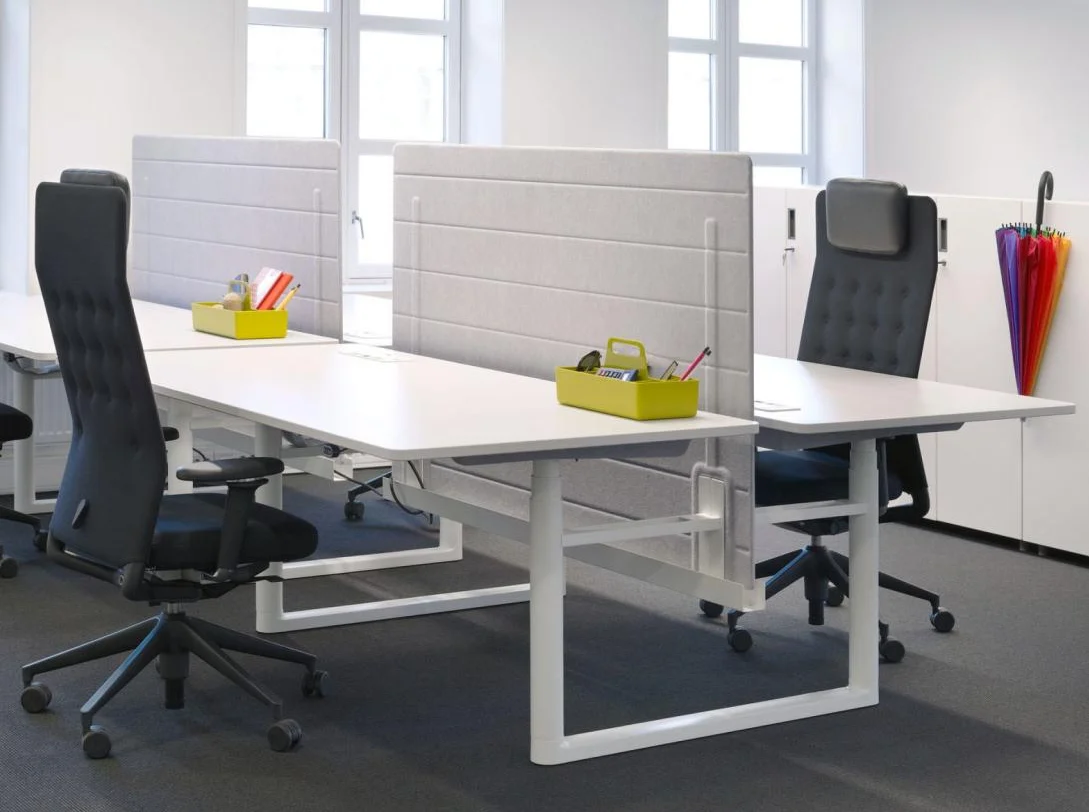
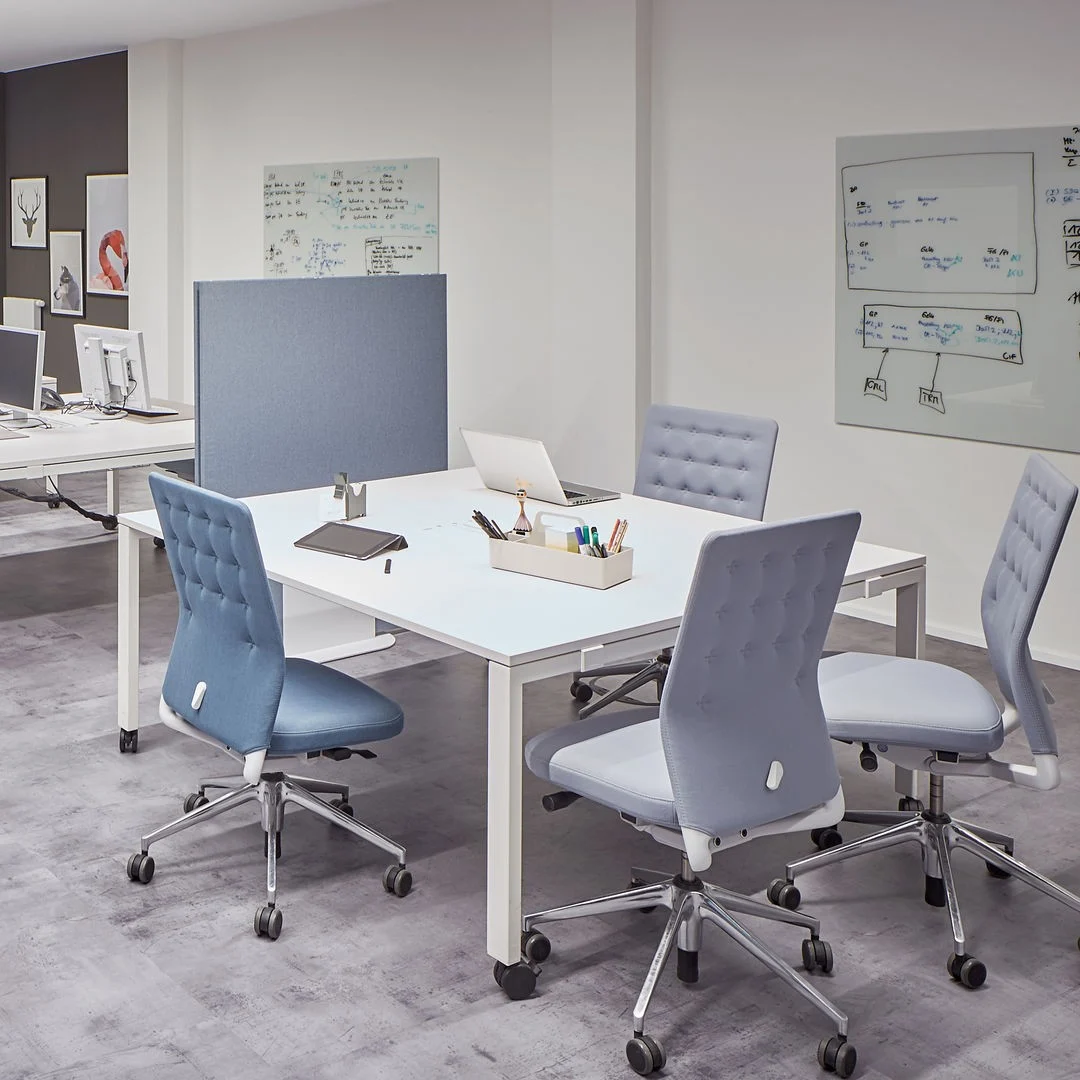
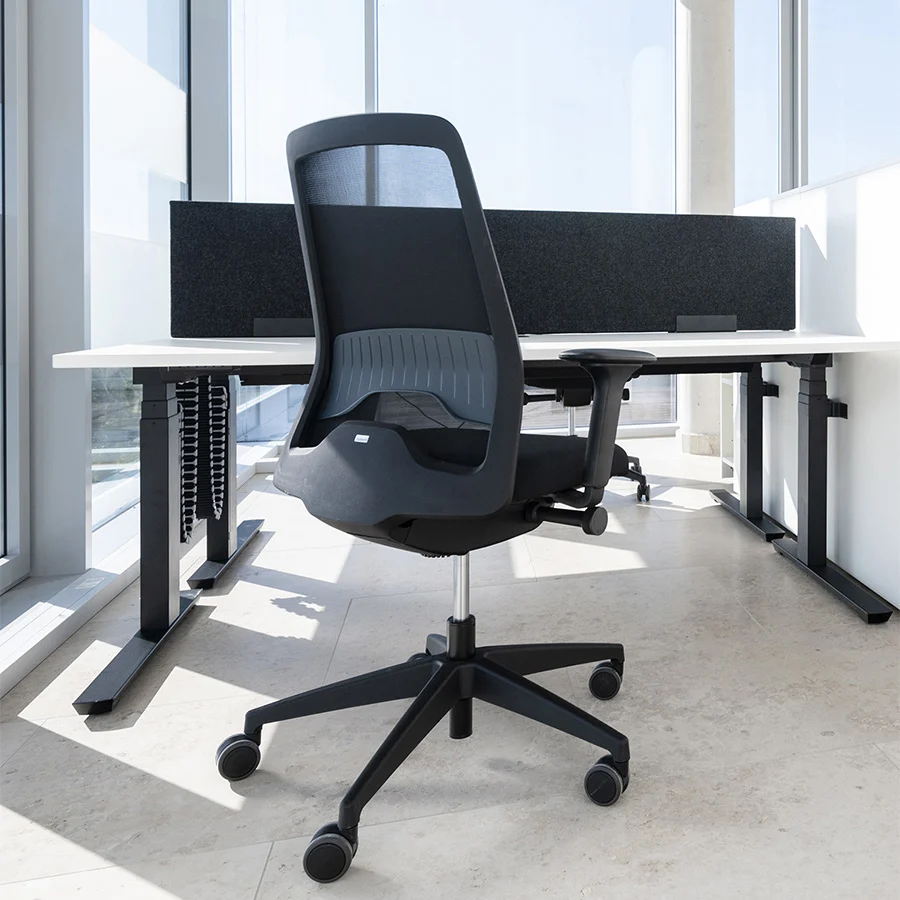
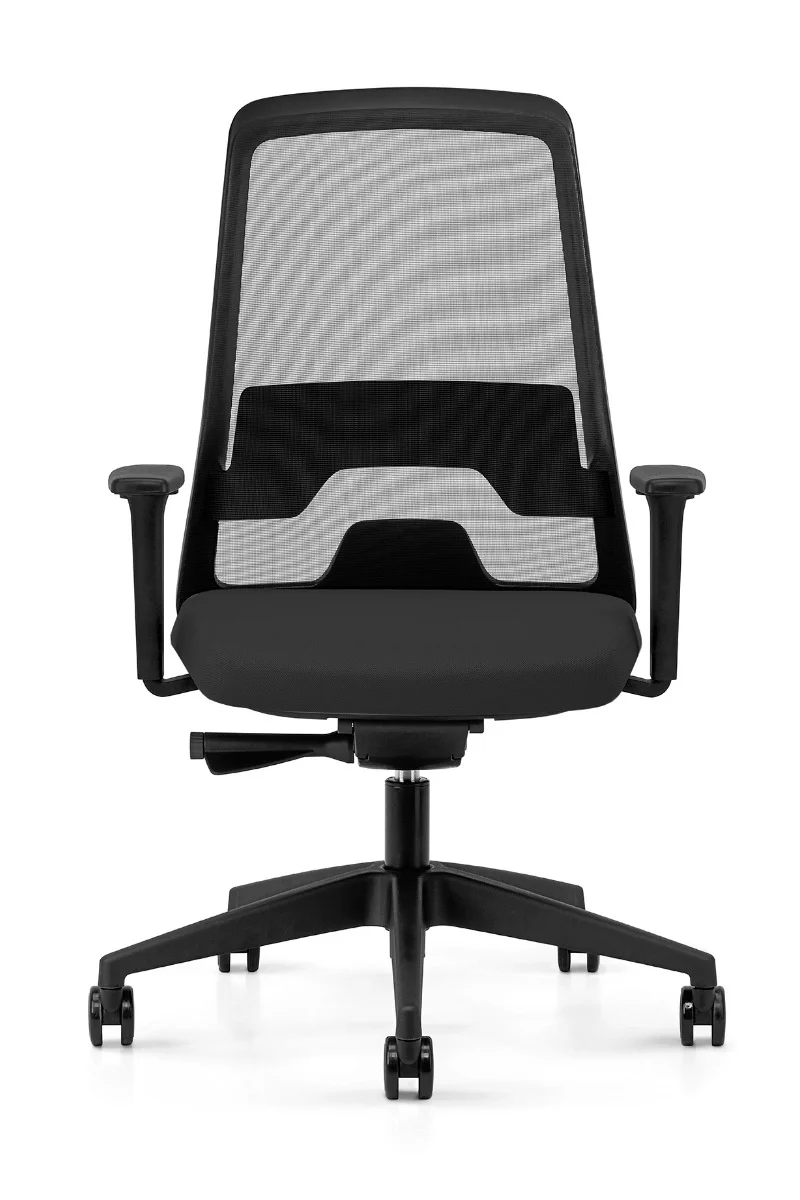
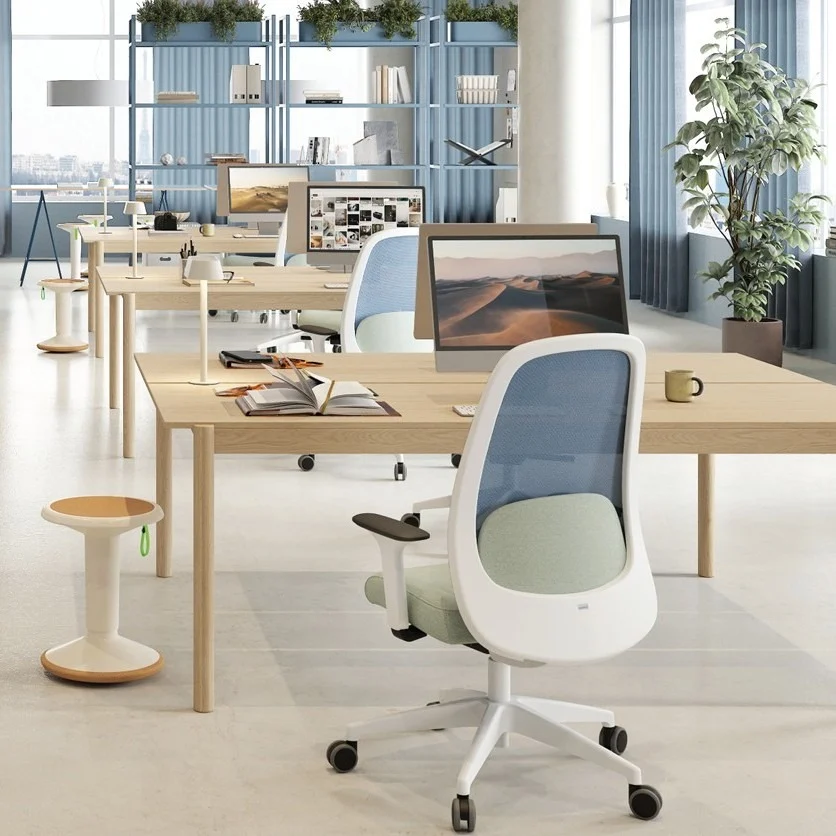
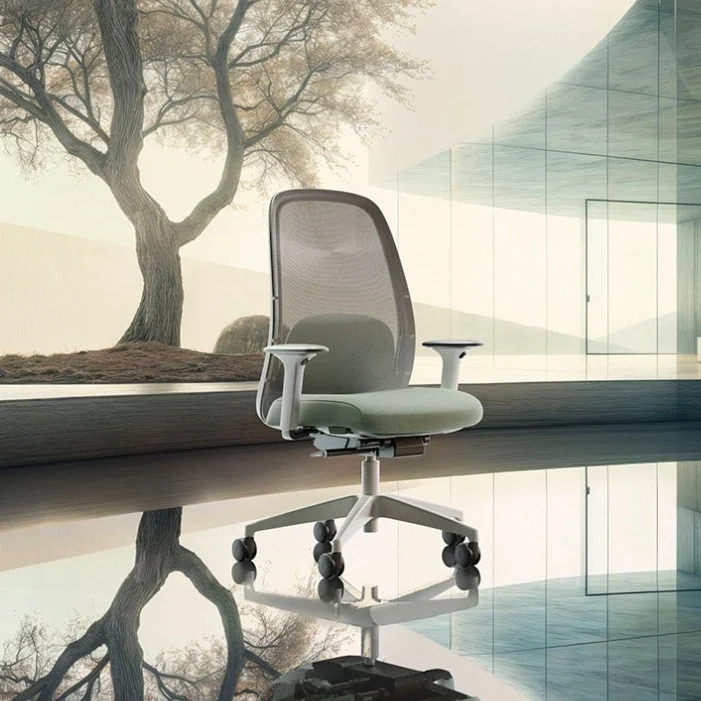
Our ergonomic chairs with wheels
Designed for individual workstations and shared office spaces, our ergonomic chairs combine a mobile base with a range of adjustment options. They let you personalise your seating position while keeping good freedom of movement around the desk.
They are a particularly attractive solution for employees who spend several hours a day in front of a computer.

Our executive chairs with wheels
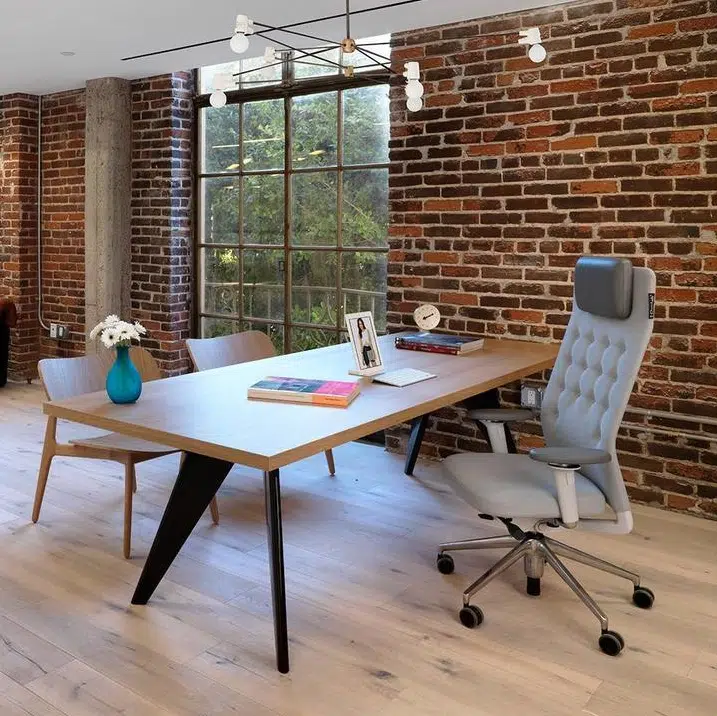
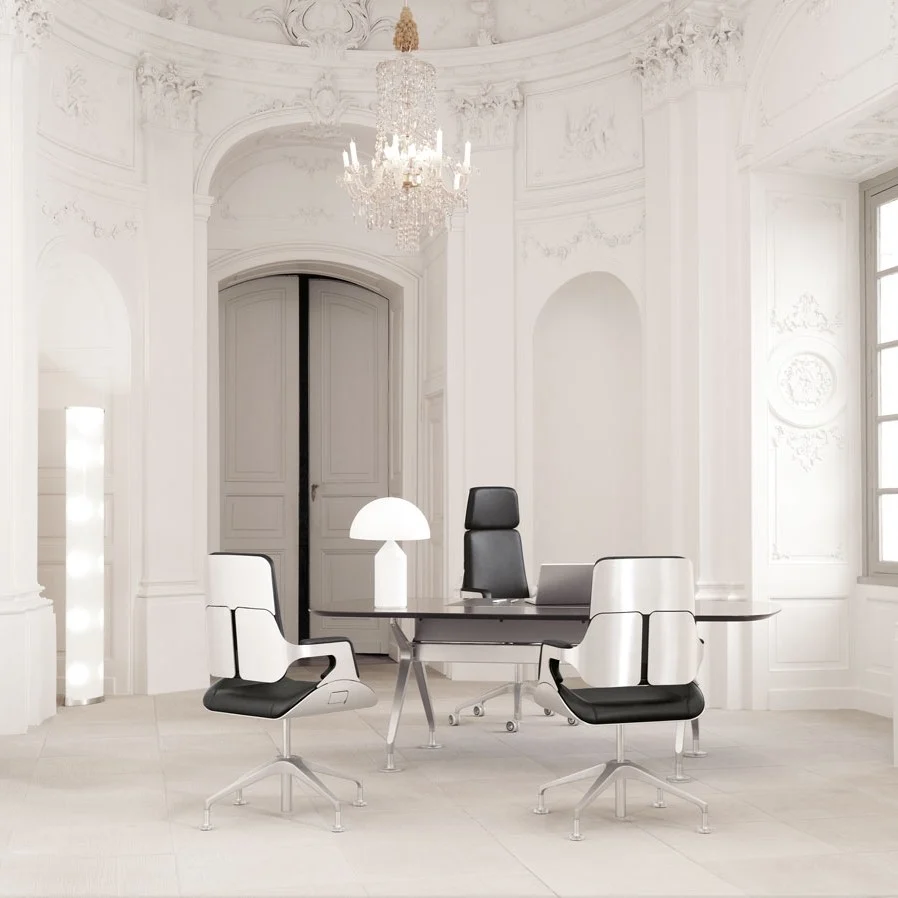
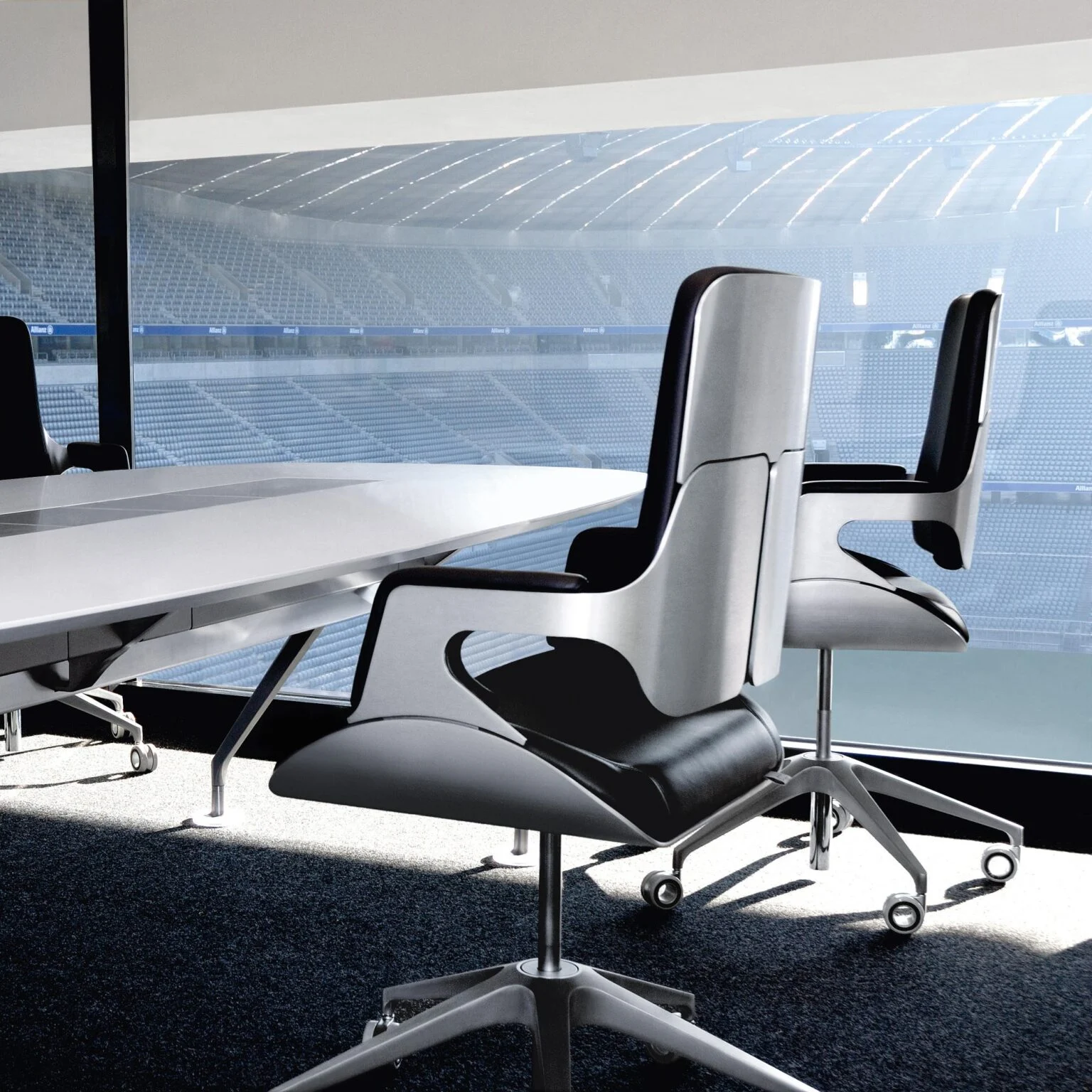
Executive chairs stand out in particular for their size, finish and design. Fitted with casters, they let you move easily around the workstation while offering seating suited to executive offices.
Depending on the model, they may offer a high backrest, armrests and various adjustment mechanisms to match each user’s preferences.
Our laboratory chairs with wheels
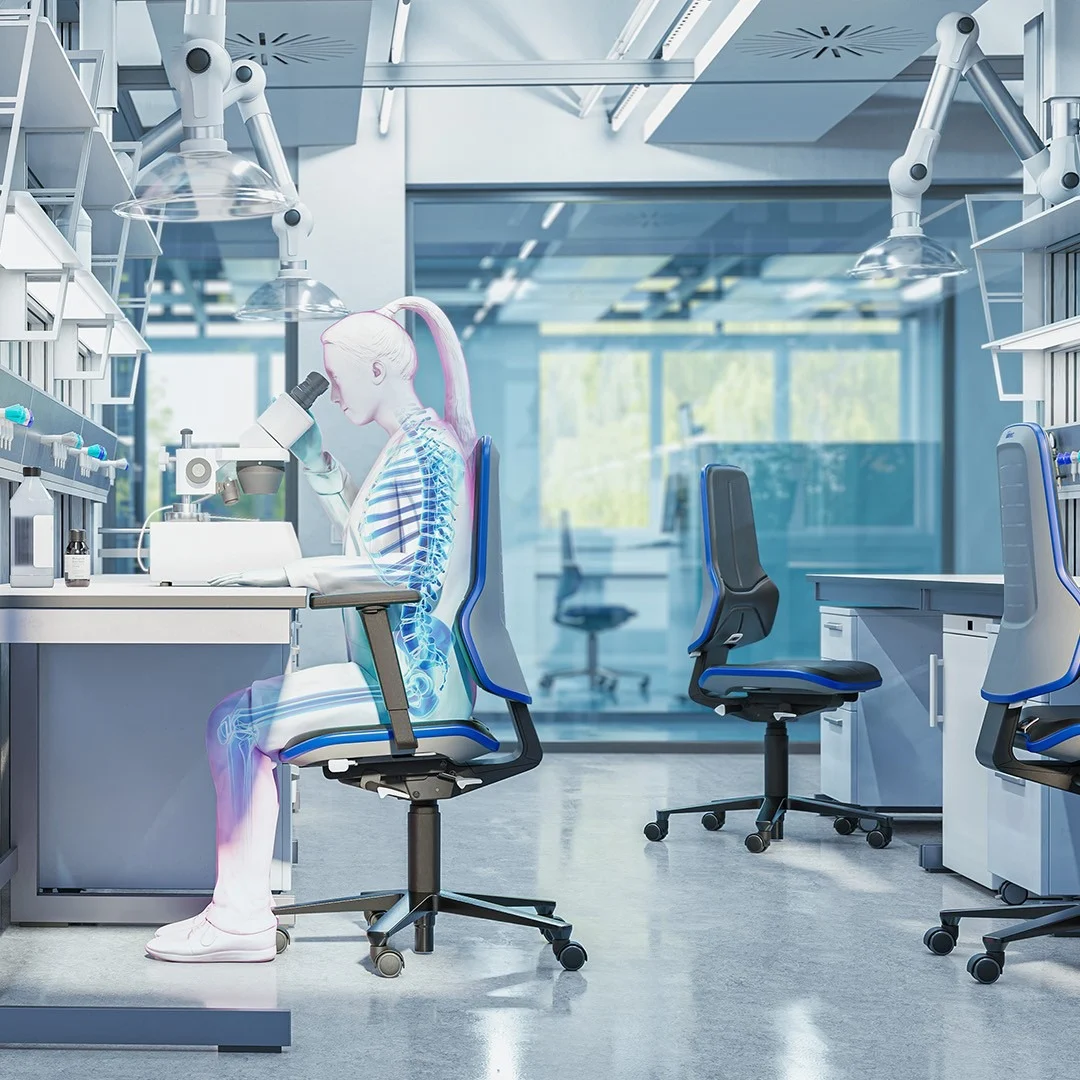
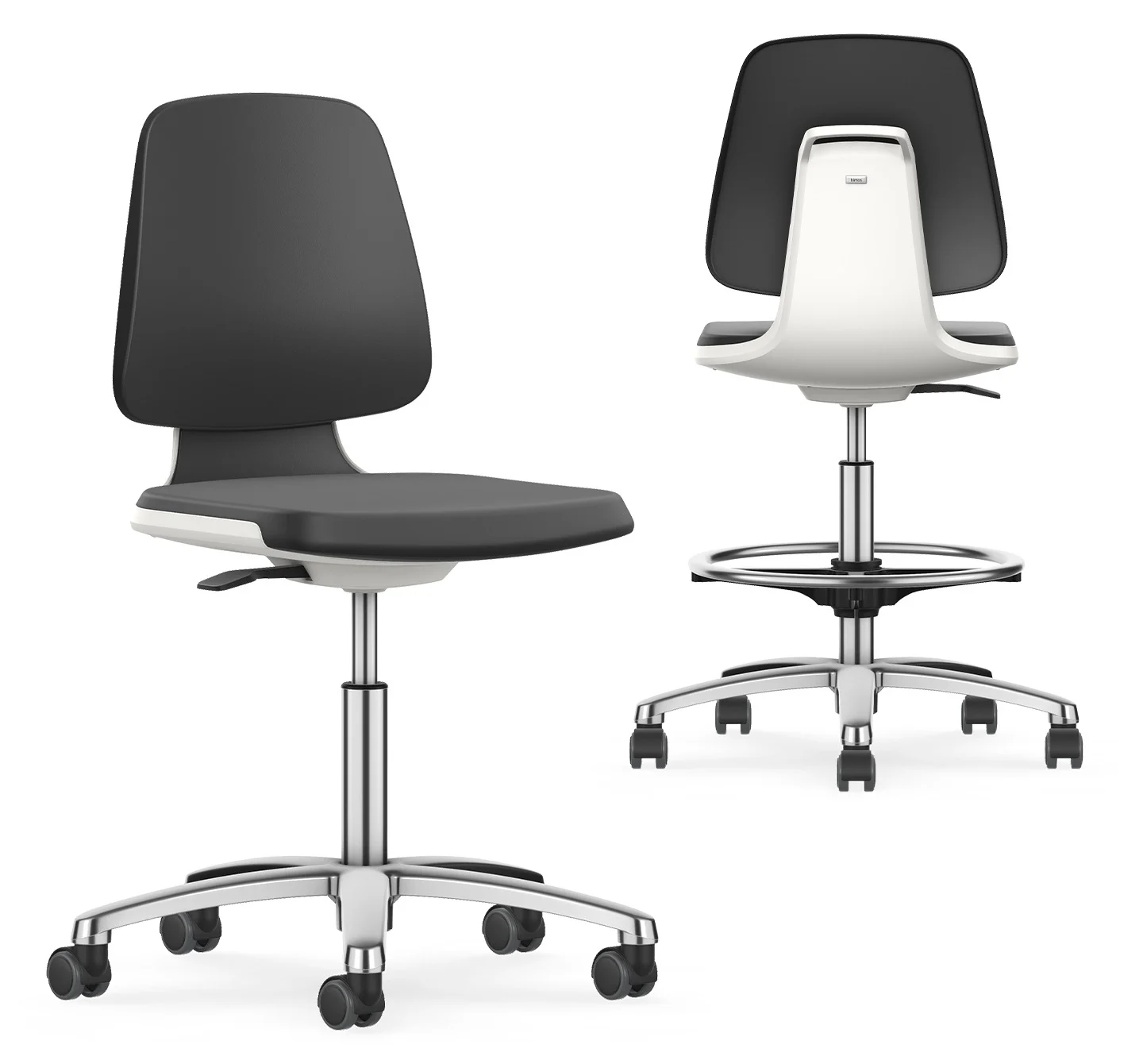
Laboratory chairs and technical seating are intended for working environments with particular needs. Depending on the model, they may offer specific adjustments, suitable upholstery or features that make them easier to use in technical spaces.
The casters keep a degree of mobility around the workstation, especially when the user needs to reach several pieces of equipment nearby.
Need advice on equipping your offices?
Would you like to equip several workstations or select chairs suited to a particular professional environment? The Wooh team will help you choose your furniture, taking into account your needs, your spaces and your daily use.
Frequently asked questions: office chairs with wheels
Are office chairs with wheels suitable for daily use?
Yes, provided you choose a model designed for regular use. Professional ergonomic chairs generally combine casters with a stable base and a range of adjustments to adapt the seating position. For several hours of use a day, it is better to choose a chair with good back support, adjustable height and a mechanism that follows the user’s movements.
Can an office chair with wheels damage parquet flooring?
Unsuitable casters can leave marks or cause premature wear on some floor coverings. For parquet, soft casters designed for hard floors are generally recommended. A protective mat can also be considered in areas where the chair is moved frequently. It is still important to check the parquet manufacturer’s recommendations.
Can you replace the casters on an office chair?
On many professional chairs, the casters can be replaced when they are worn or when a change of floor covering requires it. You should, however, check that they are compatible with the base, in particular the type of fitting and the dimensions of the stem. Not all casters are interchangeable.
How do you stop an office chair with wheels from sliding?
To limit unwanted movement, it is important to use casters suited to the floor covering. Some models also have braked casters, which work differently depending on the mechanism. A chair with wheels should nevertheless remain mobile enough for the intended movement around the workstation.
How do you maintain the casters on an office chair?
Regular maintenance keeps movement smooth and limits caster wear. It is advisable to remove dust, hair and other debris that can build up around the wheels and hinder their rotation. A slightly damp cloth is generally enough for accessible surfaces. You should also check the condition of the casters periodically and replace them if they are damaged.
What is the difference between a chair with wheels and a swivel chair?
A swivel chair has a seat that can rotate on its axis, usually through 360°, whereas a chair with wheels can move across the floor thanks to its mobile base. The two features are independent, even though they are very often combined on professional office chairs. A chair can therefore swivel without having wheels.
What is the best office chair with wheels?
No single model suits every user. The best office chair with wheels depends on your build, the time you spend seated, the adjustments you need and the floor covering. For prolonged professional use, an adjustable ergonomic chair is generally a good choice.
Looking for an office chair with wheels suited to your activity? Wooh helps you choose professional chairs that meet your needs for mobility, comfort and space planning.
Solutions for other uses
Our other guides to choosing your office chair

Ergonomic office chairs
Comfortable office chairs

Office chairs for back pain

Executive chairs

Chairs for working from home