Chairs for open-space offices: how to furnish your workspaces effectively?
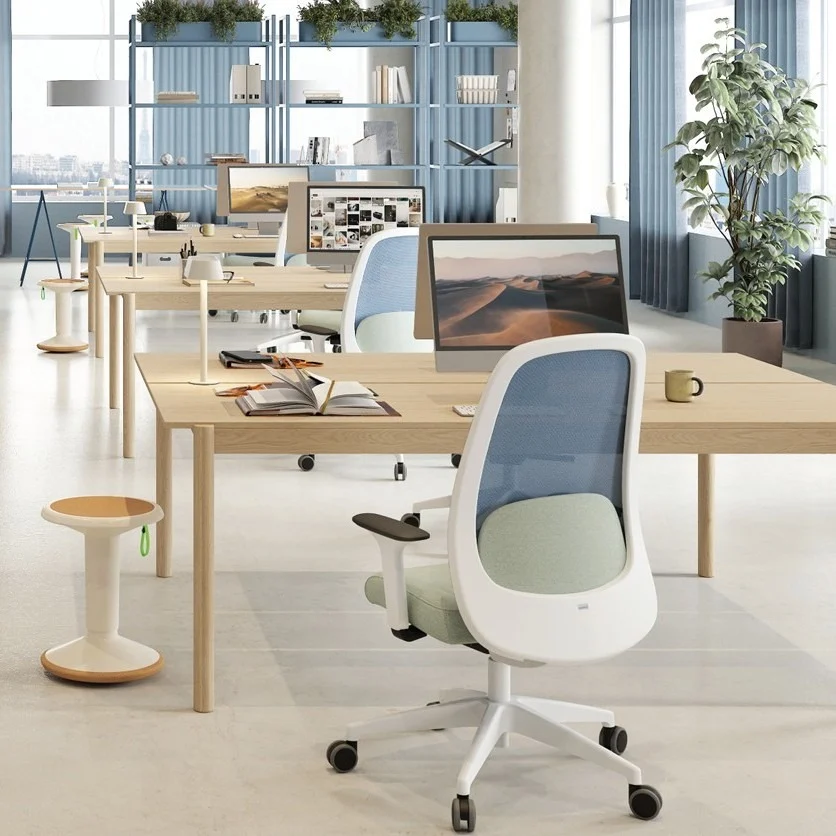
In an open-plan office, office chairs are used on a daily basis by staff with different body types and working habits. Comfort, ergonomics, adjustability and durability are therefore essential criteria. Choosing the right chairs for an open-plan office ensures that everyone has a suitable seat whilst maintaining a consistent look throughout the space.
Furnishing an open-plan office is not simply a matter of placing multiple chairs of the same model around the desks. Staff may have a designated workstation or change seats regularly; they may spend several hours sitting down and have very different needs in terms of adjustability and comfort. Seats must therefore be versatile enough to adapt to users whilst meeting the demands of a shared working environment.
The choice also depends on the layout of the open-plan office, the number of workstations, the frequency of use and the overall office design. A professional, adjustable ergonomic chair designed for intensive use is generally the go-to solution for individual workstations. On this page, Wooh outlines the criteria to consider when choosing chairs suited to your open-plan office and creating a working environment that is comfortable, functional and harmonious for your employees.
Why is the choice of chairs so important in an open-plan office?
In an open-plan office, staff generally spend a large part of their day at their workstations. Chairs must therefore offer a level of comfort suitable for prolonged use, whilst allowing each person to adjust their position to suit their body type and habits. Simple and easily accessible adjustments are particularly important when several people use the same model of chair.
The choice of chairs also influences the overall layout of the space. In an environment with numerous workstations, chairs that are too bulky can obstruct movement, whilst appropriately sized chairs ensure there is sufficient freedom of movement between desks. Space requirements must therefore be considered on a par with ergonomics and comfort.
Finally, fitting out an open-plan office often involves purchasing several dozen chairs. Sturdiness, durability and ease of maintenance therefore become particularly important criteria. Choosing office chairs designed for intensive use allows you to furnish the various workstations consistently whilst prioritising a solution built to last.
Criteria for choosing the right chairs for an open-plan office
Fitting out an open-plan office requires finding chairs that are suitable for a variety of users whilst meeting the constraints of a shared space. Beyond individual comfort, it is important to take into account the frequency of use, the layout of workstations and the overall coherence of the office design. There are several criteria to consider when selecting chairs suitable for everyday professional use.
Settings
An adjustable chair allows each employee to adapt their workstation to their body shape. Seat height and depth, backrest, lumbar support and armrests: the more accessible and intuitive the adjustments are, the easier it is to quickly personalise one’s working position. This aspect becomes particularly important when workstations are shared.
Ergonomics
In an open-plan office where staff spend several hours sitting down, ergonomics is a key consideration. The backrest and seat must provide good support, whilst a dynamic or synchronous mechanism allows the chair to adapt to movements and changes in position throughout the day.
Versatility
A single model can be used at dozens of workstations and by people of different body types. Choosing a chair that is sufficiently versatile makes it easier to fit out an open-plan office and enables you to meet the needs of a large number of staff without having to use a variety of models.
Dimensions
In spaces with a large number of desks, every square metre counts. The dimensions of the chair, its base and the space required for use must be compatible with the spacing between workstations and walkways. A well-proportioned chair ensures comfort without visually or physically overwhelming the open-plan office.
Resistance
An open-plan office chair is subject to daily wear and tear and must retain its quality over time. The sturdiness of the frame, castors, mechanisms and upholstery is therefore a key factor, particularly when the chairs are used intensively or by several staff members.
The designs
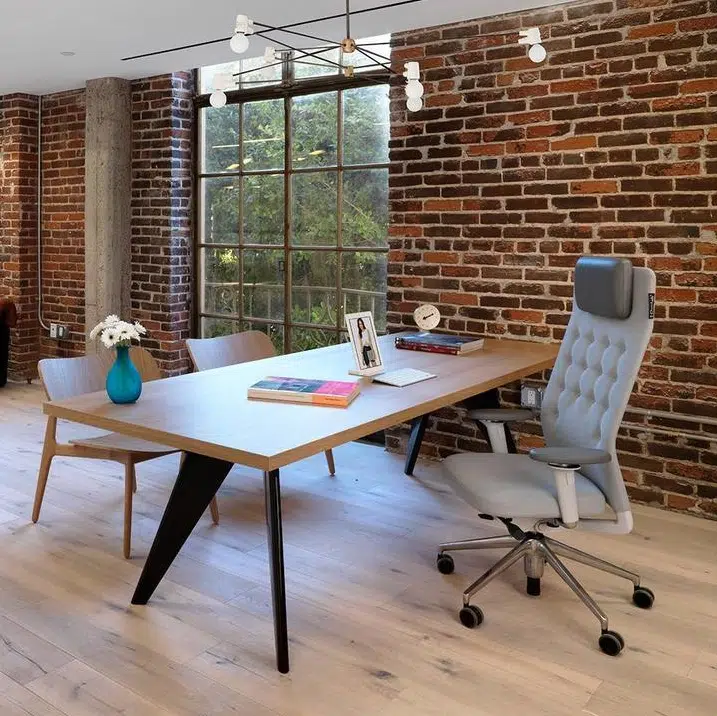
When a large number of chairs are grouped together in the same space, their visual impact becomes considerable. The design, colours and finishes must blend in with the existing furniture and the company’s identity. Choosing a range available in different finishes also allows you to maintain visual unity whilst differentiating between certain areas where necessary.
By combining ergonomics, versatility, durability and aesthetic consistency, you’ll be able to choose chairs that are suited both to the users and to the layout of your open-plan office. The best choice, therefore, is not simply the chair that is most comfortable for the individual, but the one capable of meeting the needs of the entire space in the long term.
Interior design tips
Which chair should you choose, depending on the layout of your open-plan office?
Not all open-plan offices work in the same way. Some companies assign a fixed workstation to each employee, whilst others favour a flexible office layout and allow teams to sit wherever they like, depending on their needs. The chosen layout has a direct influence on the features to look for in office chairs.
For designated workstations
When an employee has their own workstation, they can adjust their chair once and then keep those settings for everyday use. An ergonomic chair offering precise adjustments to the seat, backrest, lumbar support and armrests then allows the working position to be further personalised to suit their body shape and preferences.
For an open-plan, flexible-working office
In a flex-office environment, the same chair may be used by several people over the course of a week. The adjustments must therefore be easy to understand and quick to change. A versatile chair, capable of adapting easily to different body types, makes it easier for each employee to settle in when they take up a new workstation.
For positions filled on an ad hoc basis
Some workstations are reserved for temporary staff, consultants or teams who are on site from time to time. Even though these workstations are used less regularly, it is still preferable to provide proper, comfortable and adjustable office chairs to ensure a consistent standard of equipment throughout the open-plan office.
For workstations subject to heavy use
In some organisations, the same workstations may be used for long periods or by different staff members in succession. The durability of the chair therefore becomes particularly important. Robust mechanisms, hard-wearing materials and a design tailored to intensive professional use are best suited to meeting these demands.
Whether they are for fixed or shared workstations, chairs must ultimately be suited to the way the open-plan office operates on a day-to-day basis. Identifying teams’ habits before choosing models enables the space to be furnished more coherently and helps avoid selecting chairs whose features do not really match their intended uses.
How can you design a comfortable open-plan office around the workstations?
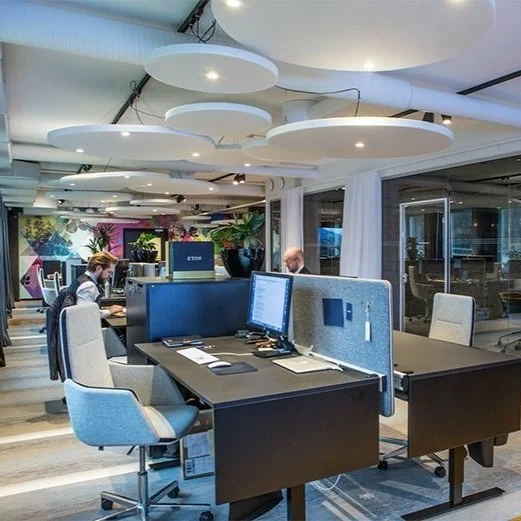
Choosing the right chairs is a first step, but their effectiveness also depends on how the workstations are organised. In an open-plan office, several staff members share the same space: the layout must therefore allow everyone to work comfortably, whilst making it easy to move around and minimising sources of distraction.
Allow sufficient space between workstations
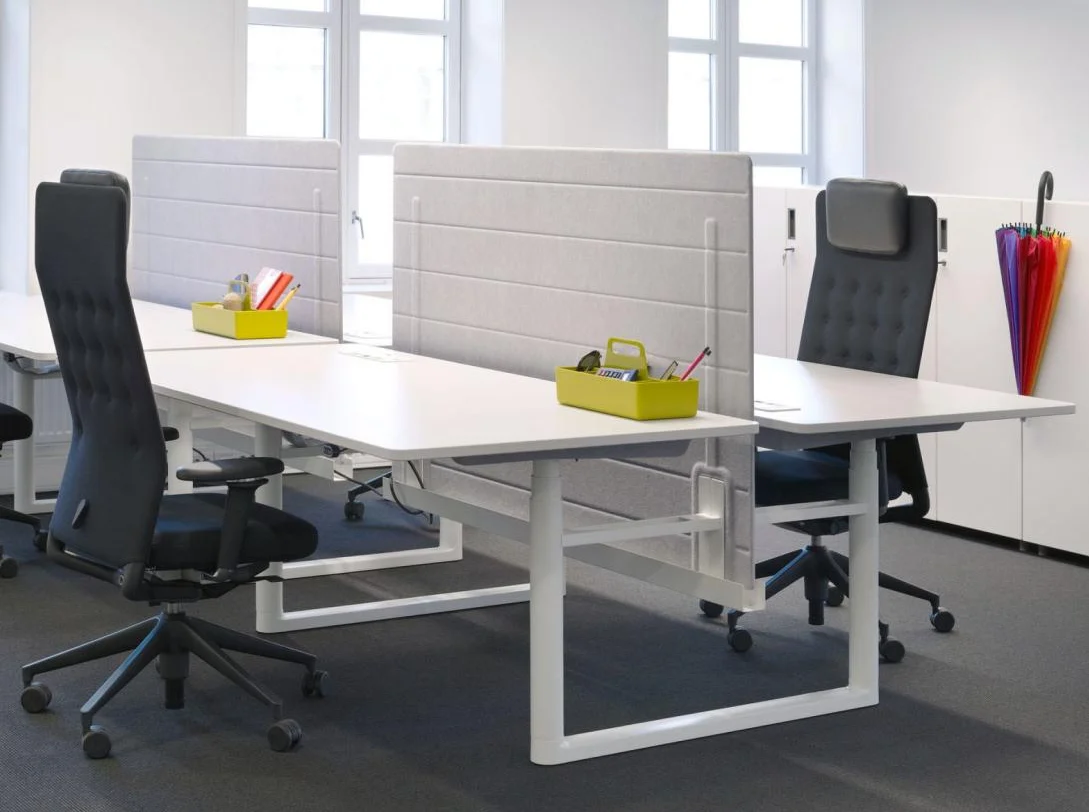
Staff must be able to settle in, push their chairs back and move about without disturbing their neighbours. Sufficient spacing between desks improves freedom of movement and prevents chairs or walkways from encroaching on one another, particularly when the open-plan office accommodates a large number of workstations.
Adapting desks to chairs
The chair and desk should work together as a unit. The height of the work surface must allow the user to adjust their seat and armrests correctly. Height-adjustable desks offer even greater flexibility and allow you to vary your posture throughout the day.
Take acoustics into account
Conversations, phone calls and people moving about can quickly raise the noise level in an open-plan office. Acoustic panels, partitions between workstations or other sound-absorbing solutions help to better control the spread of noise and create more pleasant working environments.
Créer des espaces complémentaires
Not all activities need to be carried out at an individual workstation. Providing meeting rooms, storage and filing areas, areas for making phone calls, or more informal spaces allows staff to change their working environment depending on the task at hand. Some office pouffes, stools you lounge chairs can then complement the ergonomic chairs in the open-plan office and offer a wider range of seating options.
A successful open-plan office therefore relies on a balance between properly equipped workstations and complementary spaces suited to the various activities throughout the day. Ergonomic chairs remain at the heart of the layout, but combining them with suitable desks and other furniture, acoustic solutions and dedicated areas helps to create a more functional working environment.
Well-known brands
Our selection of chairs for open-plan offices
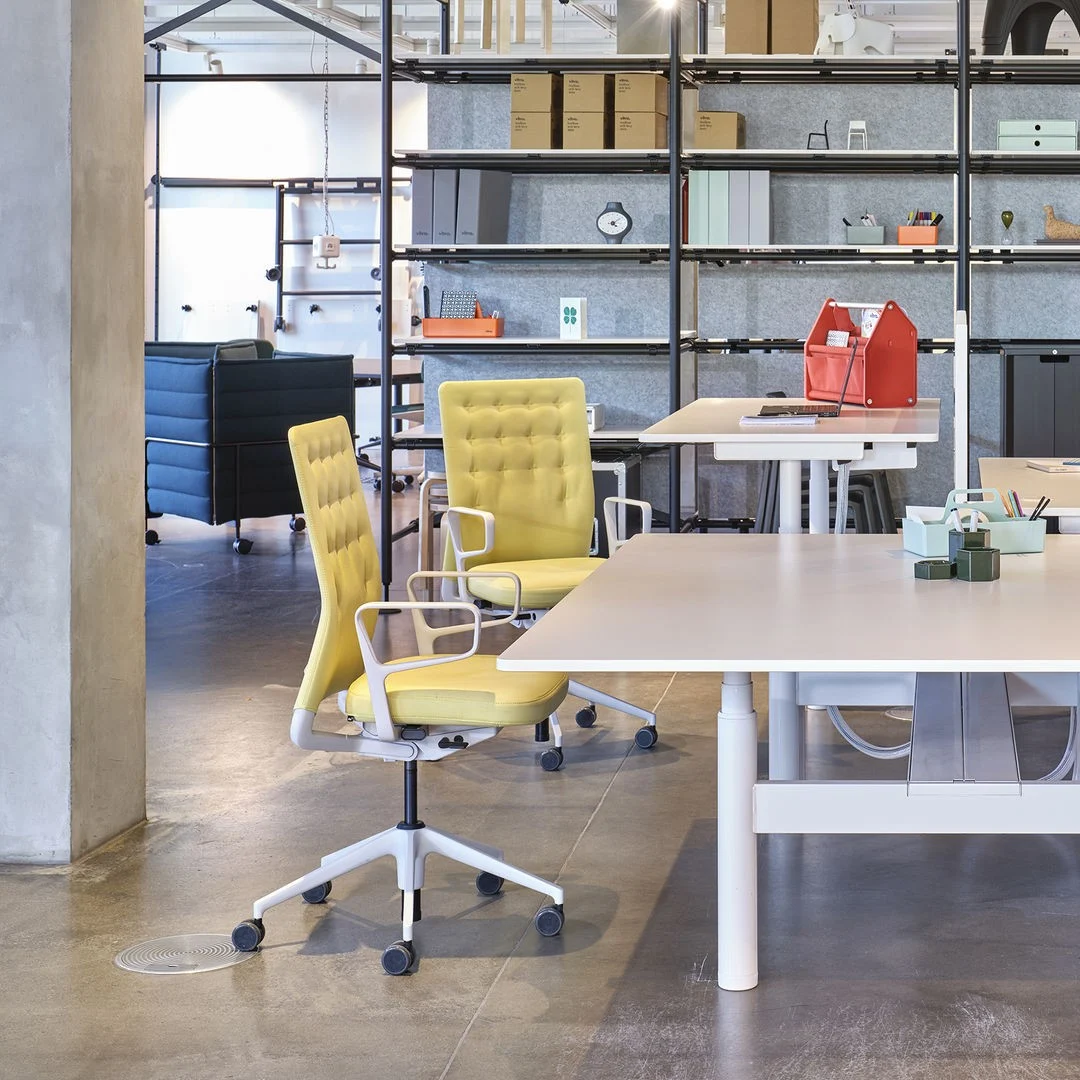
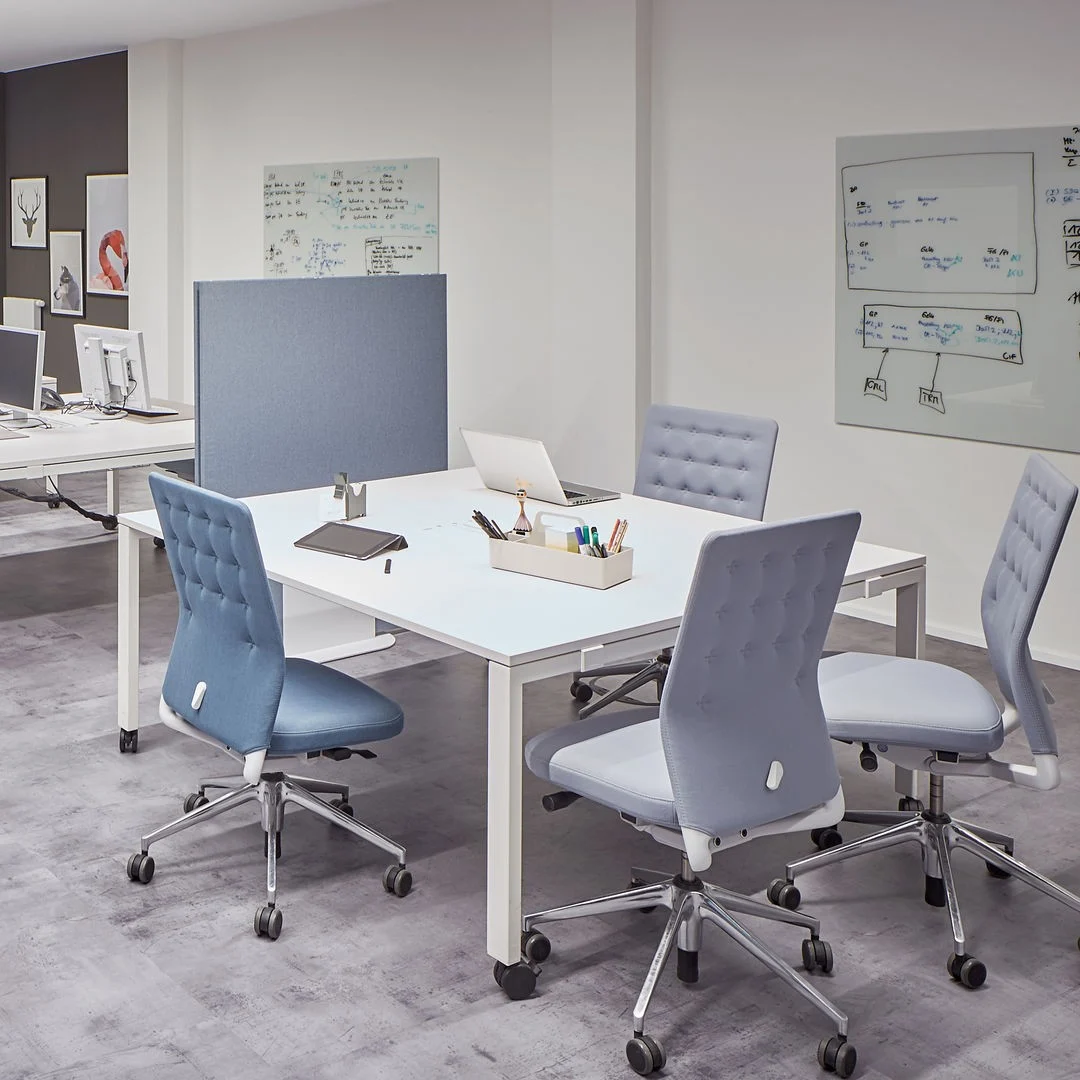
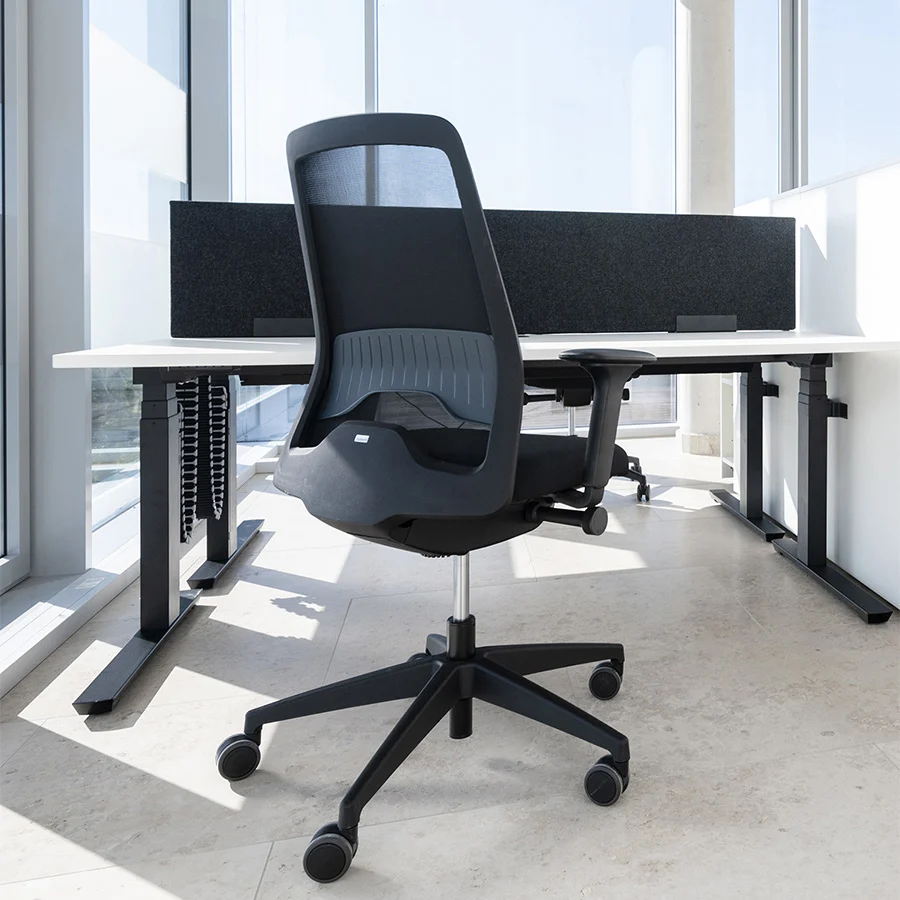
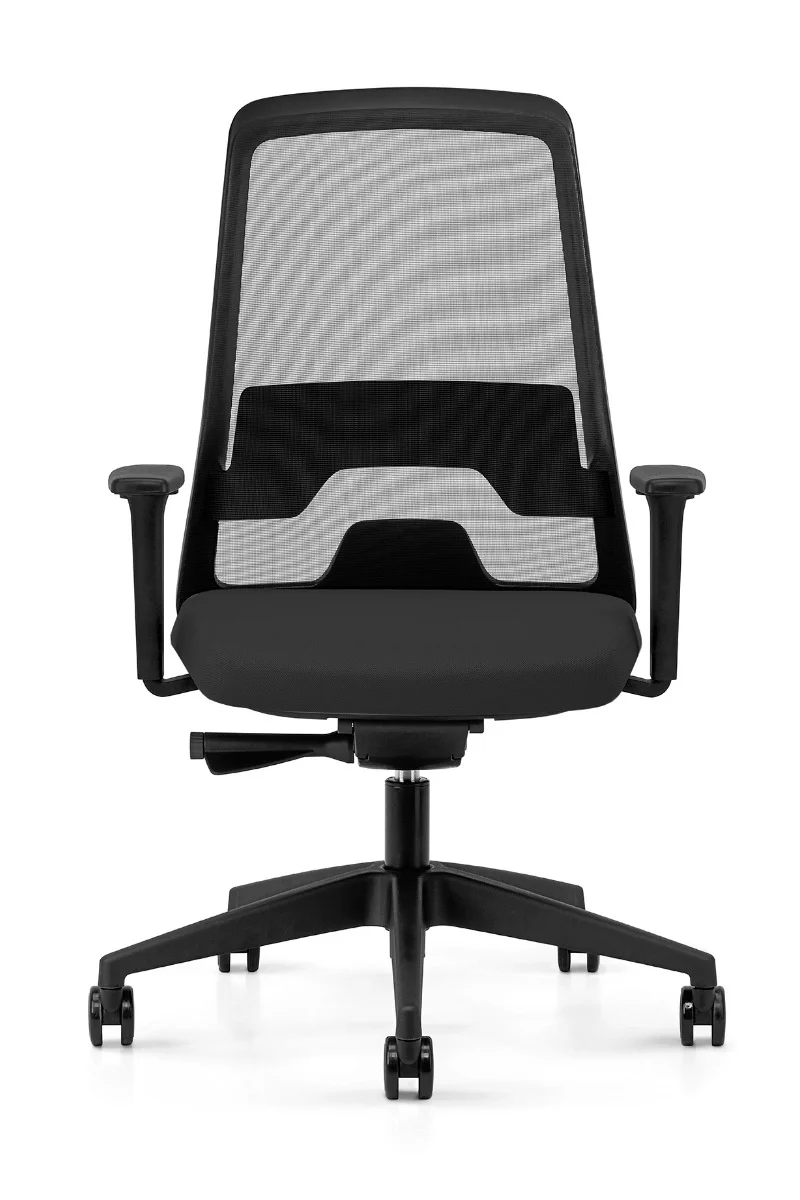
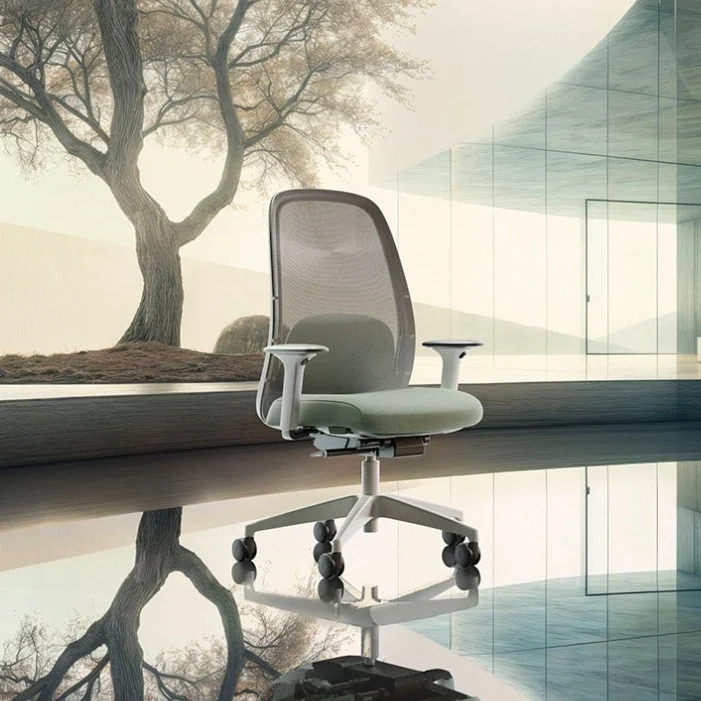
At Wooh, we select professional office chairs designed to meet the demands of open-plan offices and shared workspaces. Comfort, ergonomics, adjustability and durability in day-to-day use are among the key criteria that guide our selection.
Professional ergonomic chairs are the preferred solution for equipping workstations in an open-plan office. Thanks to their various adjustment options, they can be adapted to employees’ body types and working habits, whether they have a dedicated desk or work in a flex-office environment. A range of models and configurations also allows you to strike a balance between features, design and budget when fitting out a large number of workstations.
Beyond simply choosing chairs, Wooh can assist you with the overall layout of your open-plan office to create a cohesive look between the chairs, desks and other furniture. Discover our selection of ergonomic chairs below and find the models best suited to your space and the way your teams work.
Our FAQs – Chairs for open-plan offices
Which chair should you choose for an open-plan office?
When furnishing workstations in an open-plan office, opt for professional ergonomic chairs that offer sufficient adjustment options to suit different staff members. Durability, ease of use and space efficiency are also important, particularly when a large number of chairs need to be fitted out in the same space.
Should you choose the same chair for all workstations in an open-plan office?
Using the same model helps to maintain a degree of visual consistency and makes it easier to manage the furniture. However, it is important to choose a chair that is versatile enough to suit different body types. Specific models or configurations can also be provided for staff with special needs.
Which chair should you choose for an open-plan flex office?
In a flex-office environment, opt for a chair with simple, quick and intuitive adjustments. As several staff members may use the same workstation in turn, everyone must be able to easily adjust the seat height, backrest or armrests before starting work.
How many chairs should you provide in an open-plan office?
The number of chairs depends on the number of workstations available and the way work is organised. With assigned desks, one chair is naturally required per workstation. In a flexible office environment, the number of workstations can be adjusted to the expected occupancy rate, whilst maintaining sufficient capacity to accommodate staff present at the same time.
Is an ergonomic chair essential in an open-plan office?
For workstations used for several hours a day, a professional ergonomic chair is generally the best choice. Its adjustment features allow the seat to be tailored more precisely to the user, and its mechanism accommodates changes in posture throughout the day.
How do you choose chairs when you need to furnish a large open-plan office?
As well as comfort, it is important to consider the model’s versatility, durability, adjustability, footprint, design and the available budget. It is also worth considering the layout of the entire space to ensure that the chairs fit in well with the desks, circulation routes and the various uses of the space.
Solutions for other applications
Discover our other types of office chairs too
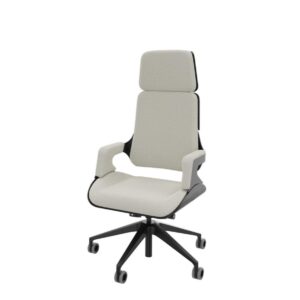
Executive chairs
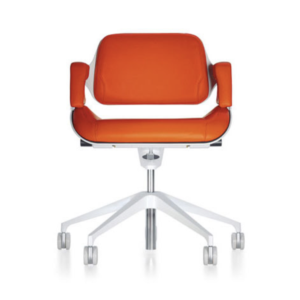
Meeting chairs
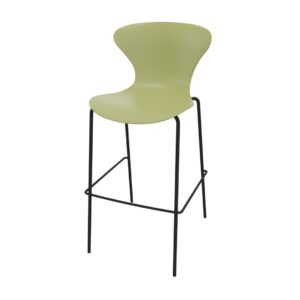
Stools and high chairs
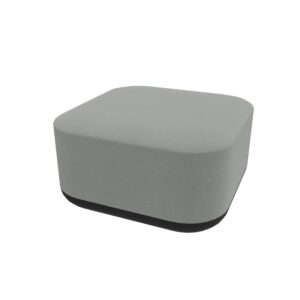
Office pouffes

Chairs for a relaxation area

Chairs for working from home
Back to the full guide : Professional office chairs